 The expertise you expect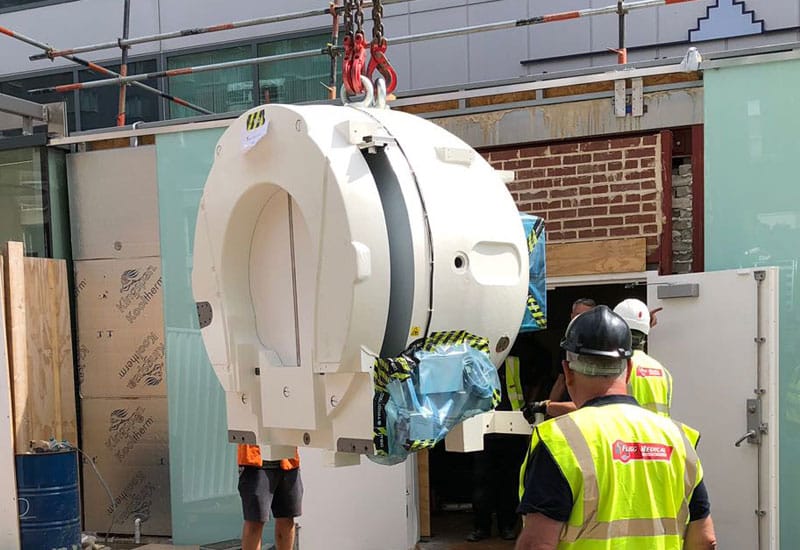
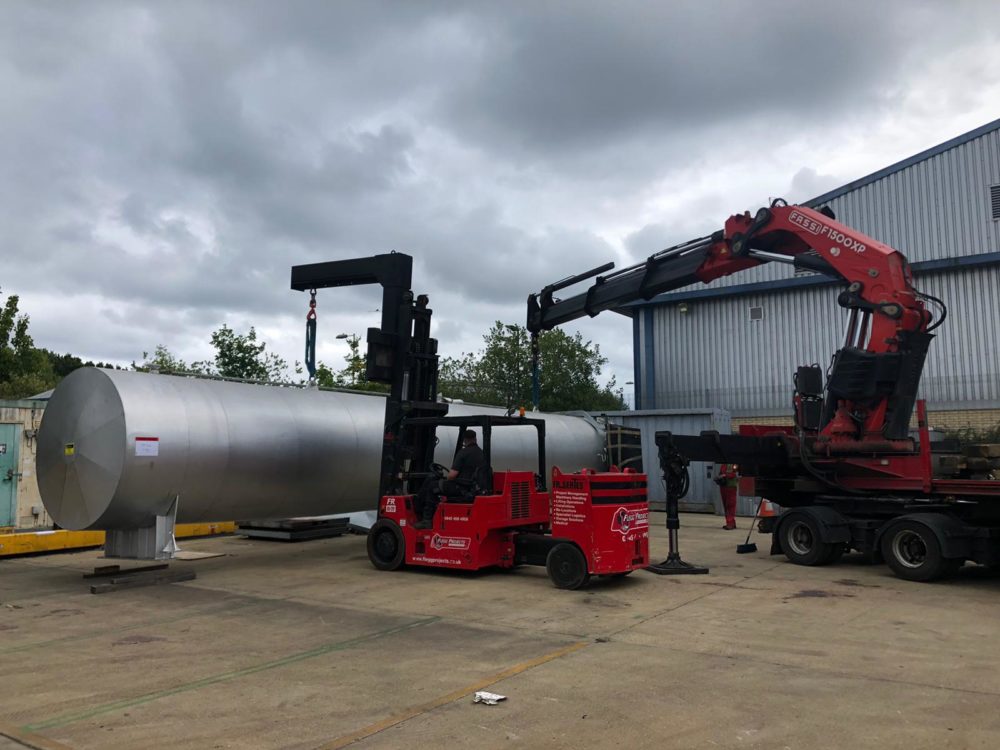
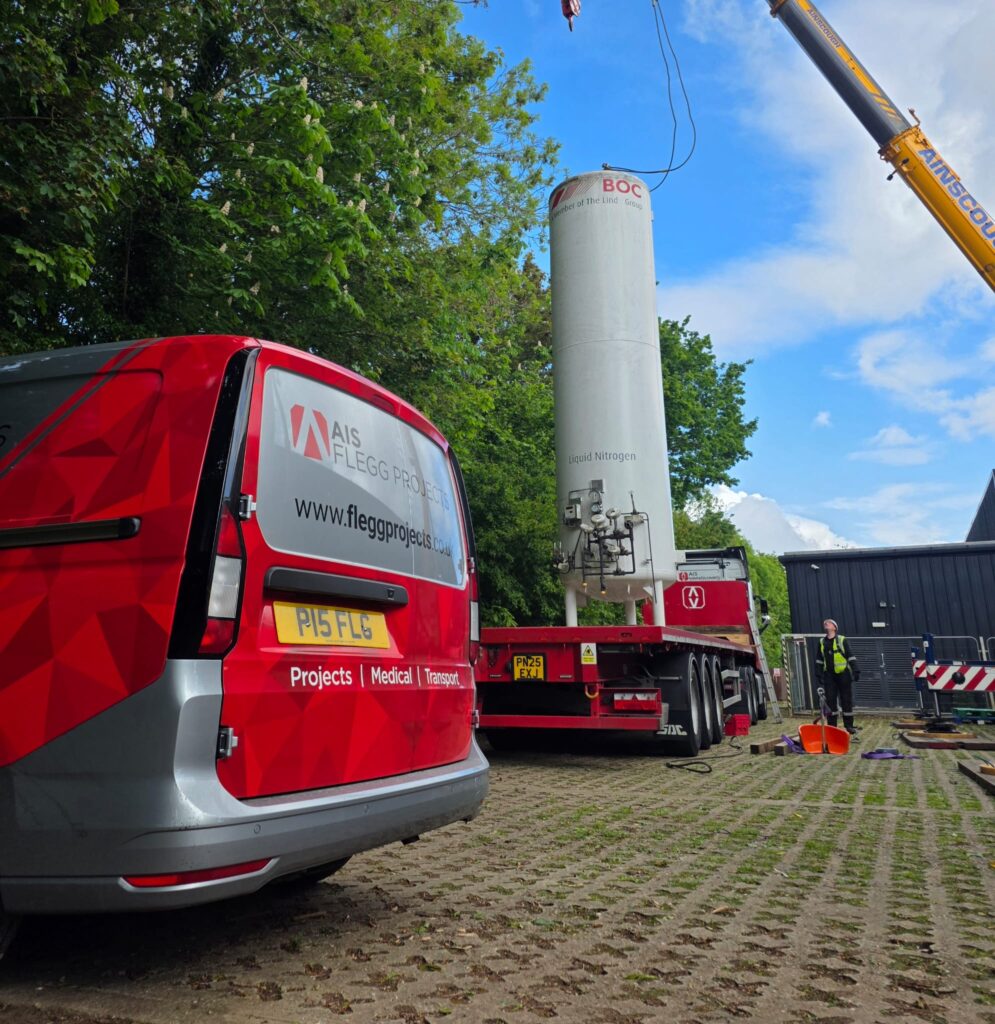
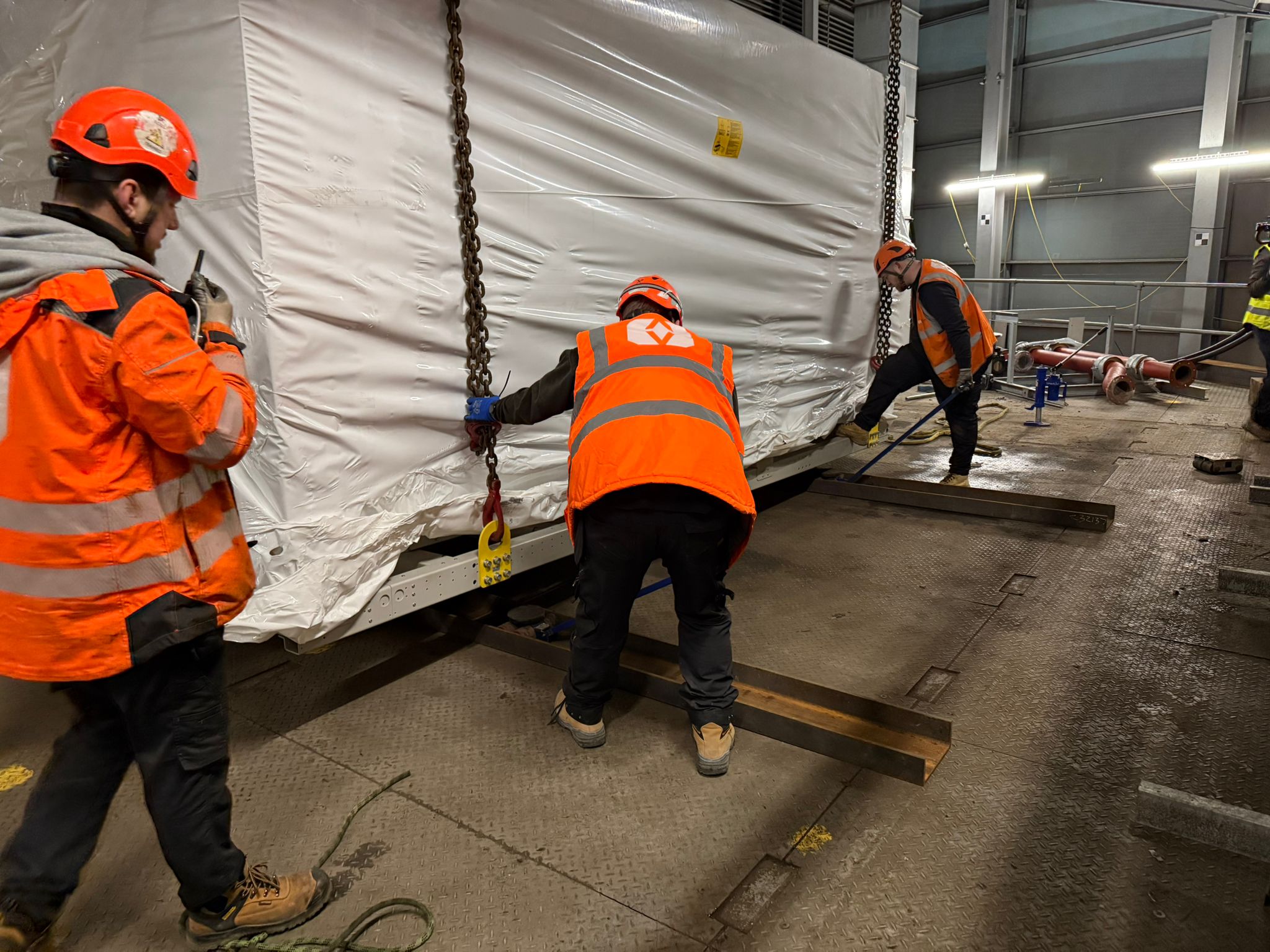
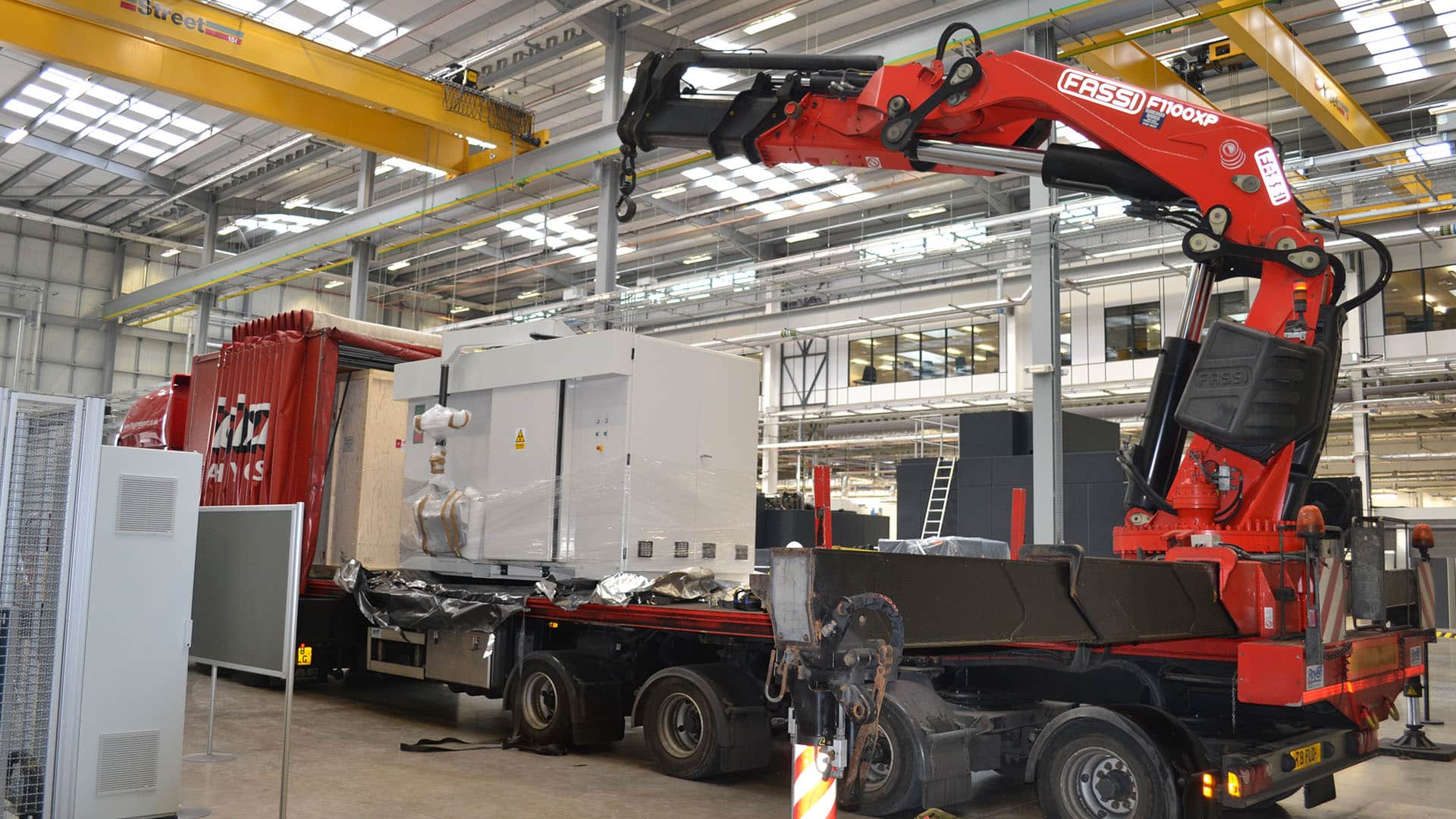
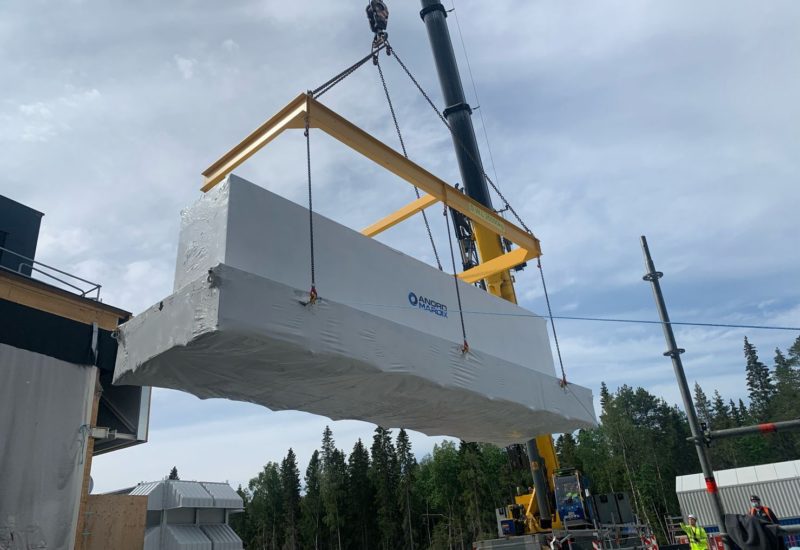
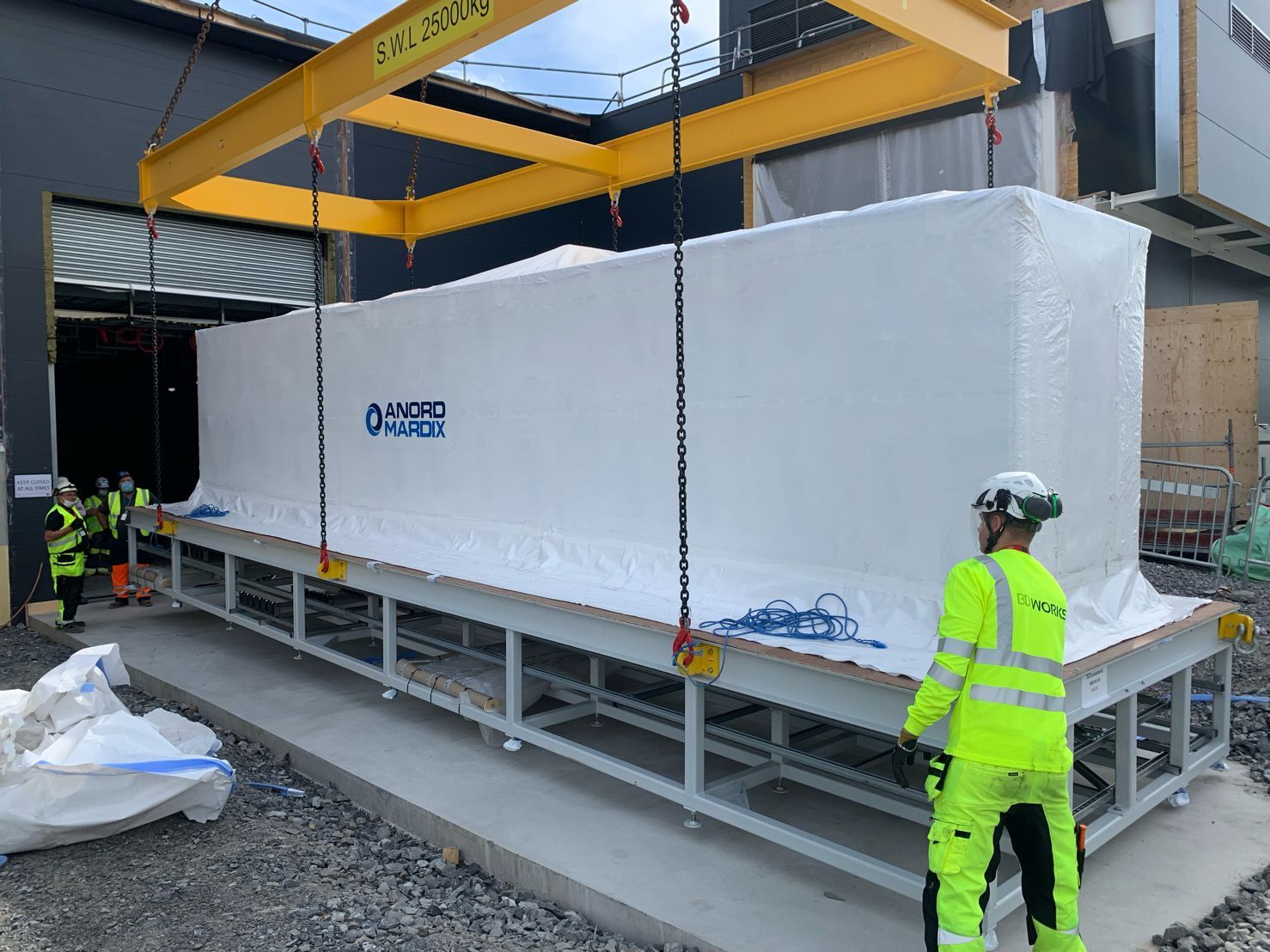
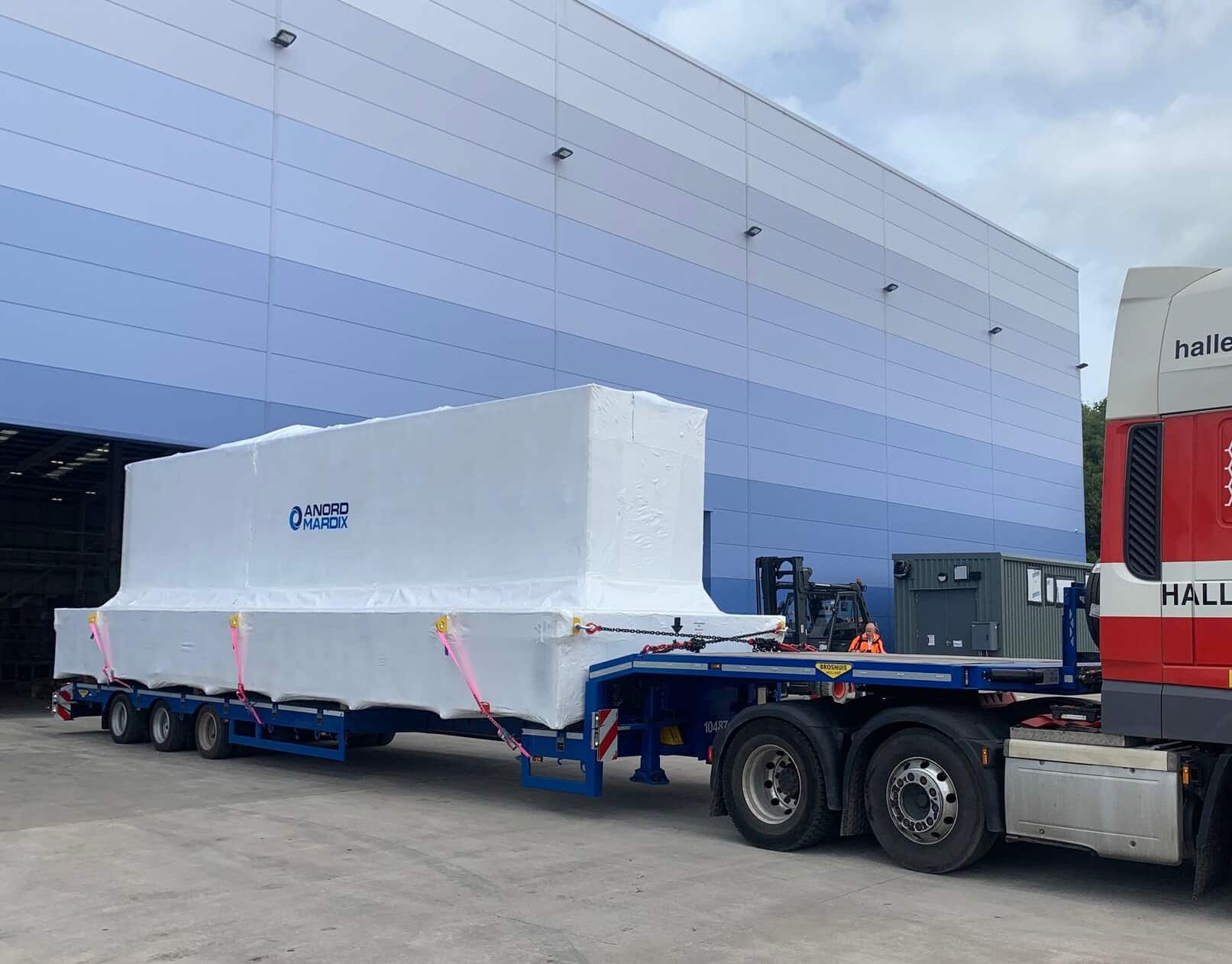
To most people, a hospital’s equipment just appears: the scanner is there, the linear accelerator is there, ready for the next patient. What they don’t see is the planning behind it. The traffic management plans, the risk assessments, the early morning callouts, and the small technical decisions that stop a multi-tonne machine from ever disrupting the ward around it.
At AIS Flegg Projects, that’s our Medical Division’s job, and it starts long before a single piece of equipment leaves the warehouse.
Planning Around a Live Hospital
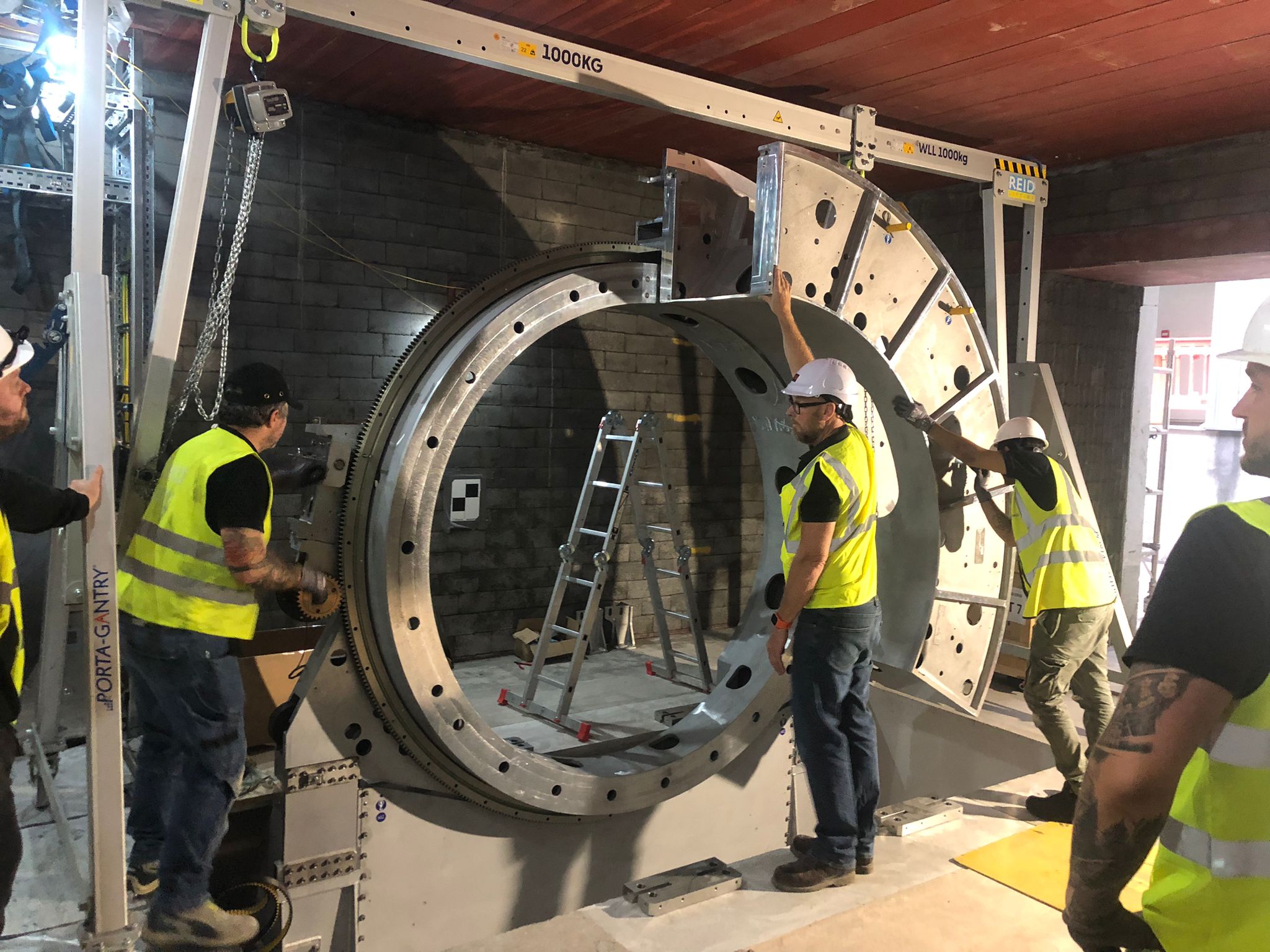
Every hospital move carries the same underlying challenge: the hospital doesn’t stop running while the work happens. A recent project relocating a Gamma system at Bristol Royal Infirmary is a good example. The hospital sits on a hilltop site on a busy ambulance route, so before anything else could happen, the team had to build a detailed traffic management plan and arrange vehicle diversions around the site, with road closures in some cases needing applications submitted up to 12 weeks in advance.
That’s on top of the paperwork every hospital move demands: method statements and risk assessments detailed enough to secure trust and estates approval, DBS checks and site specific security clearances for the team, and a schedule built around the hospital’s quietest hours (weekends, evenings, or the early hours of the morning) so clinical care is never interrupted.
Why No Two Moves Are Quite the Same
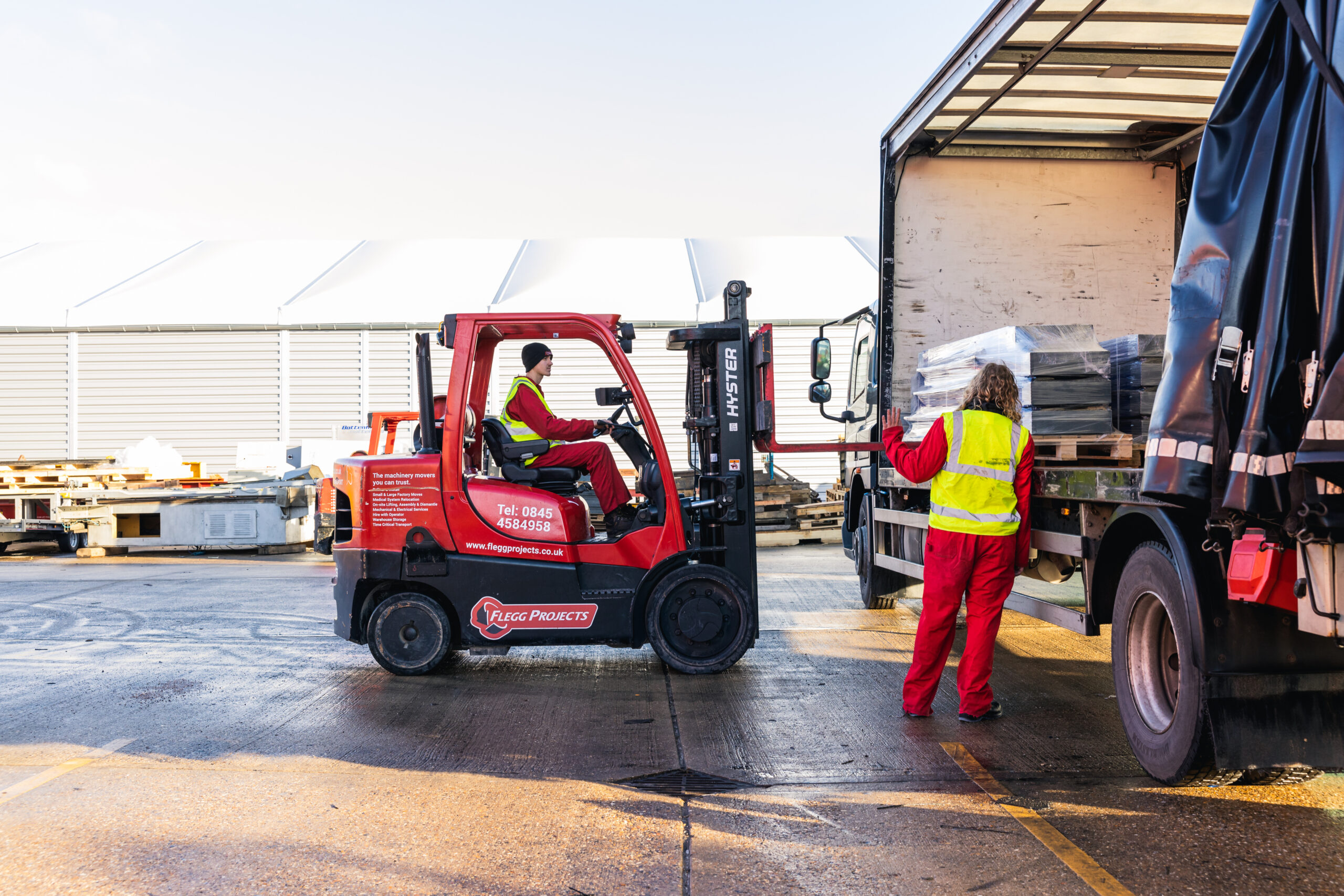
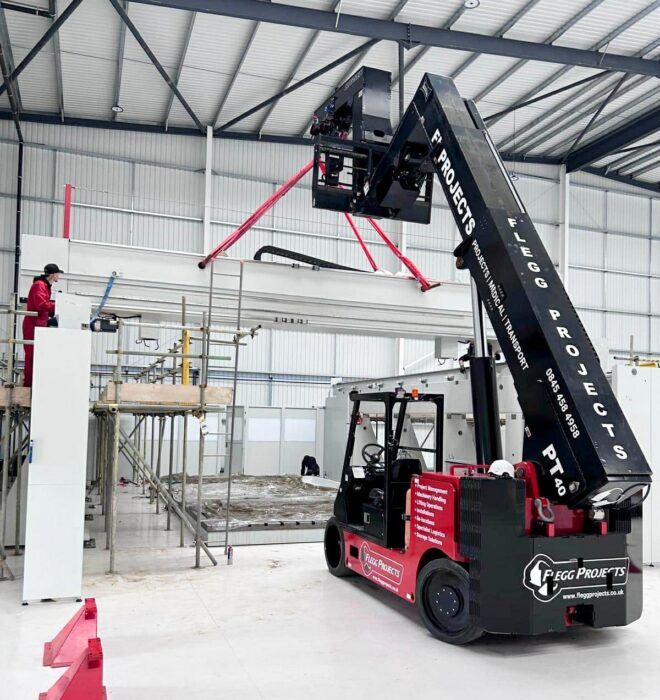
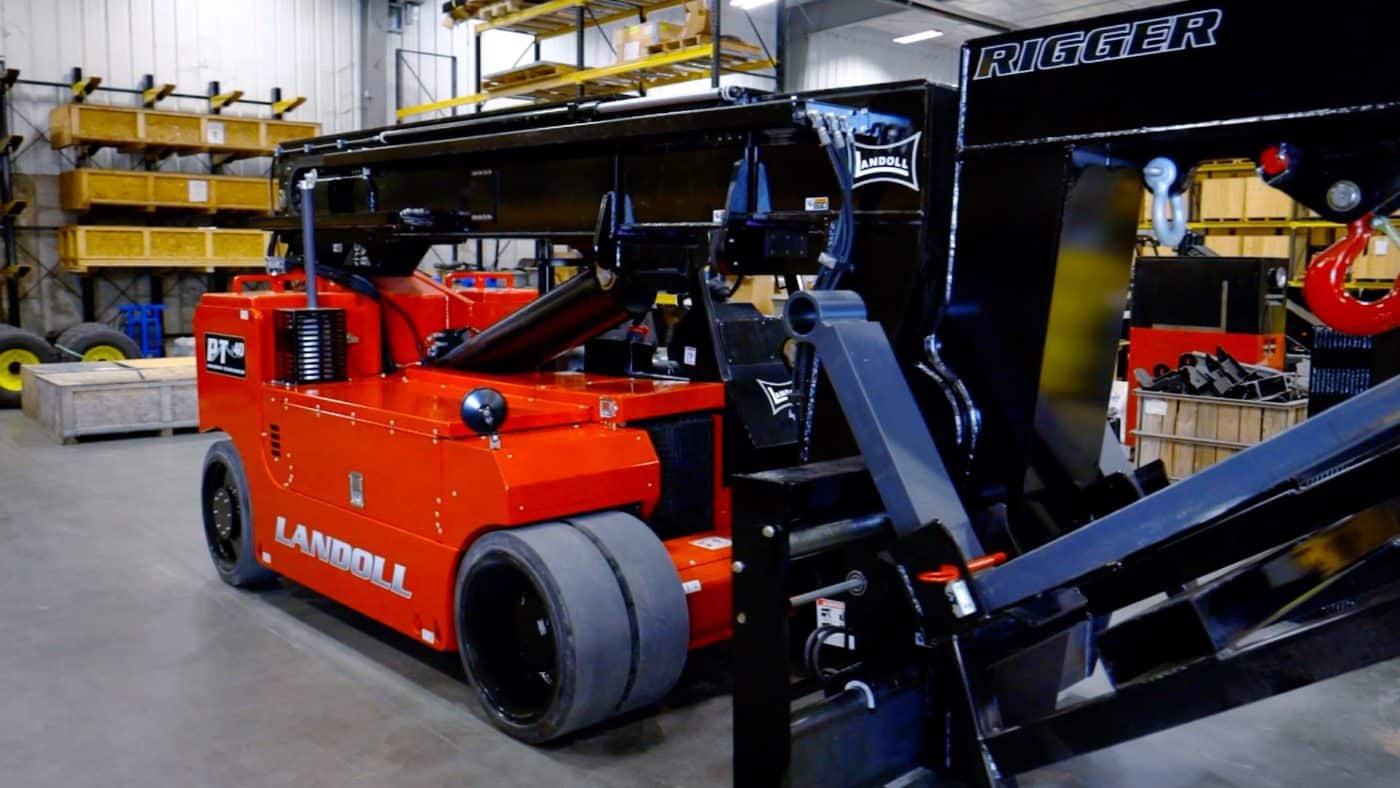
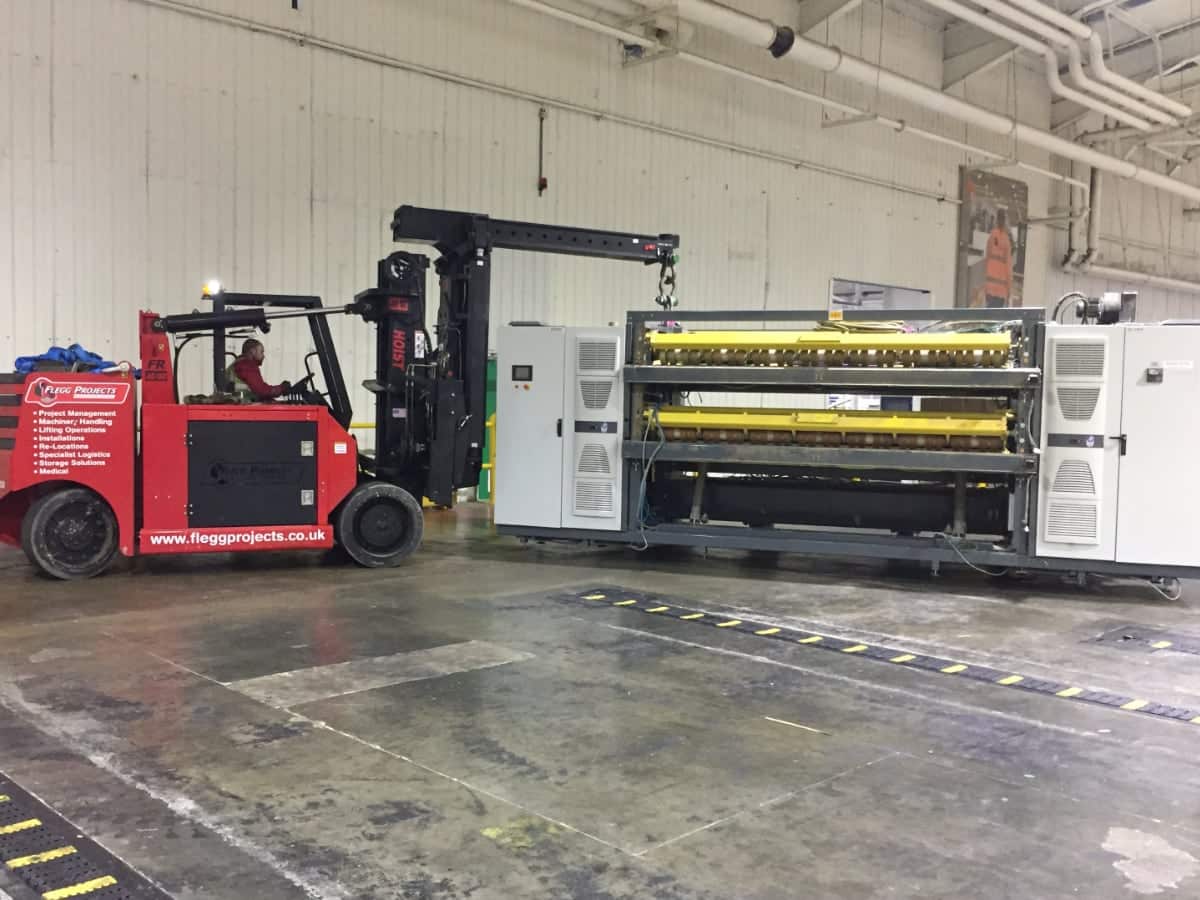
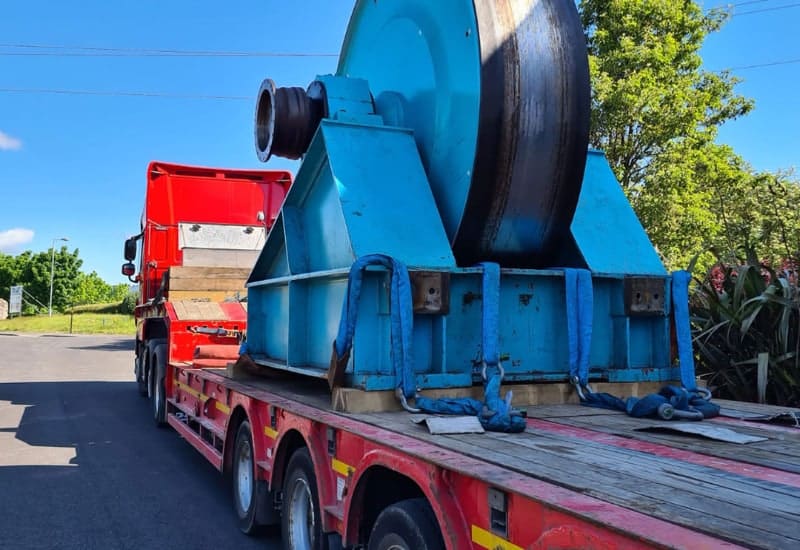
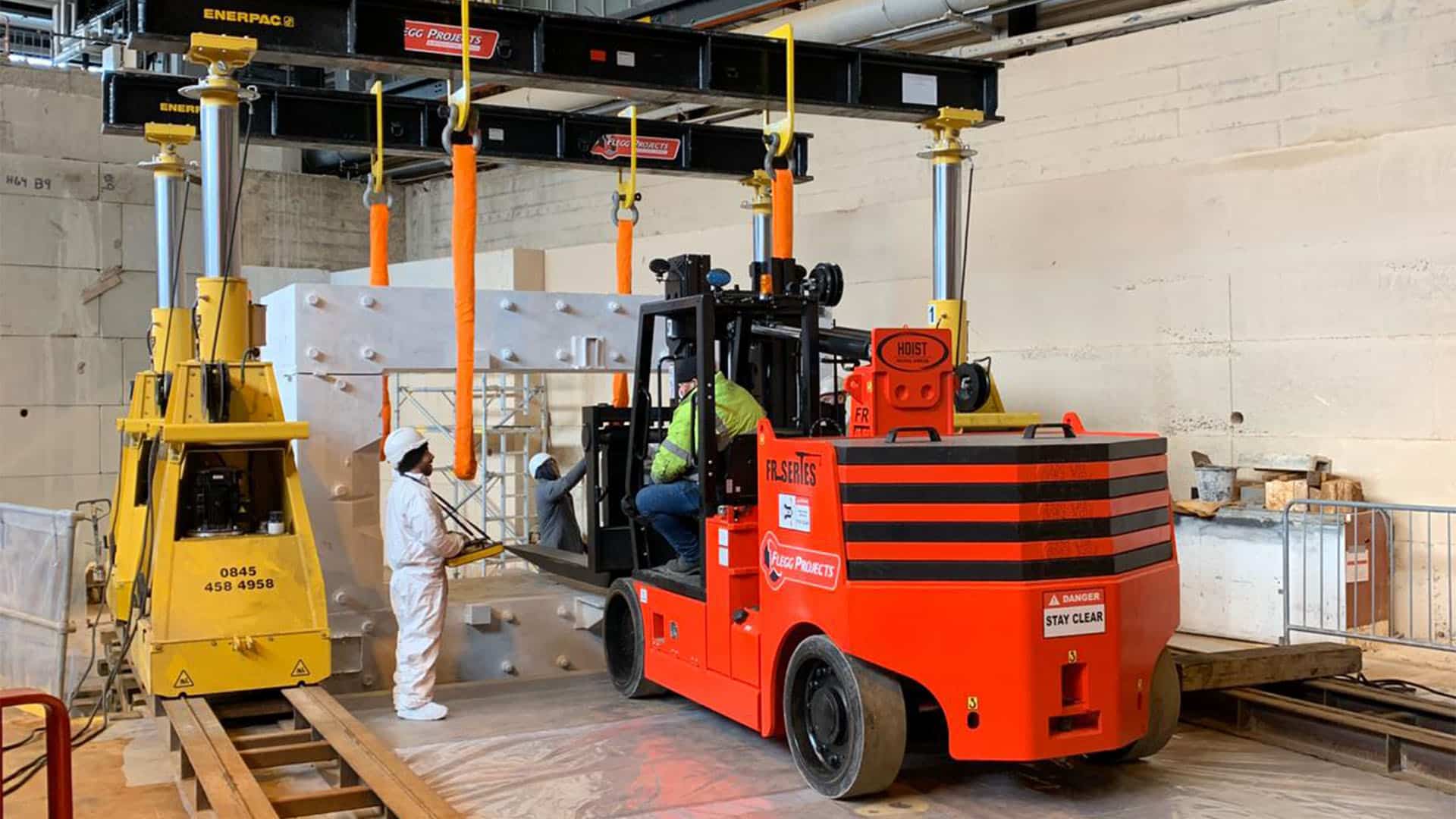
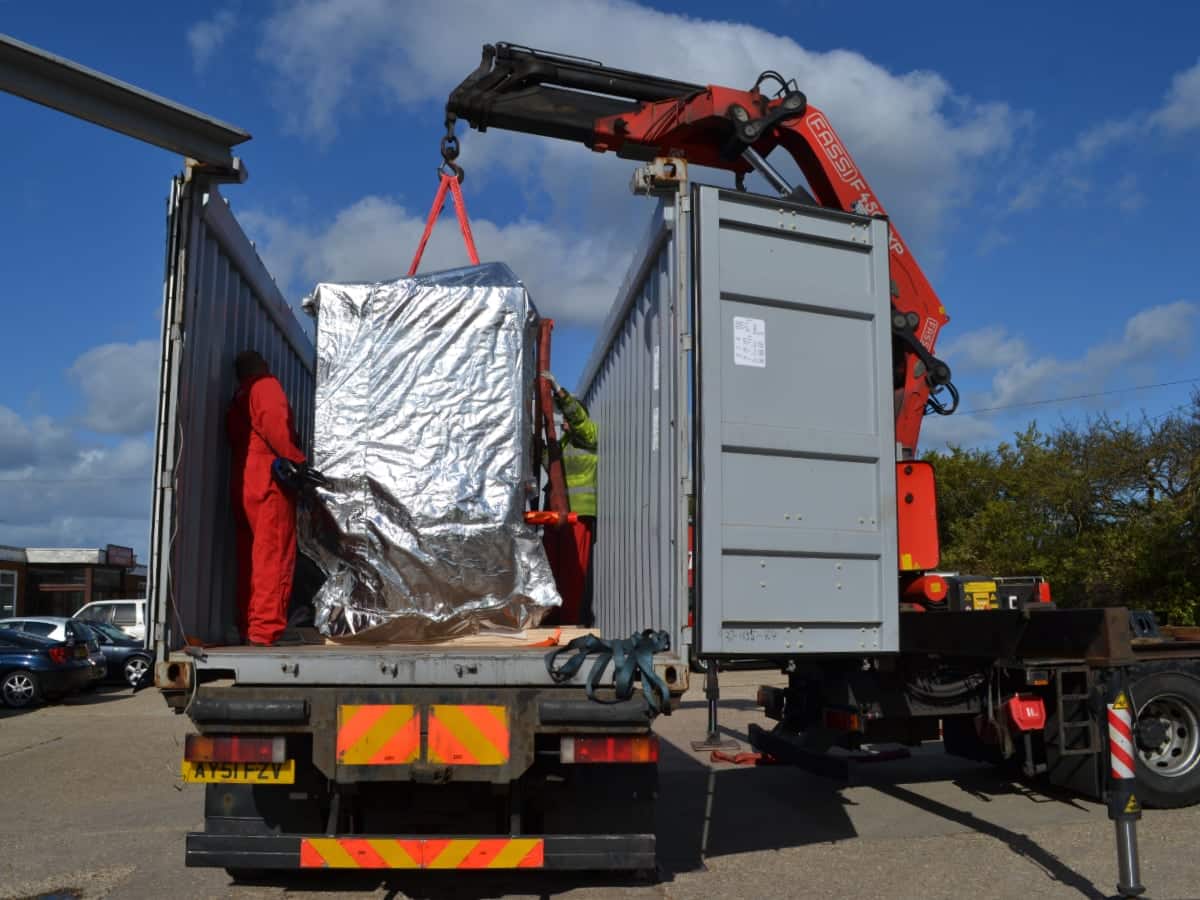
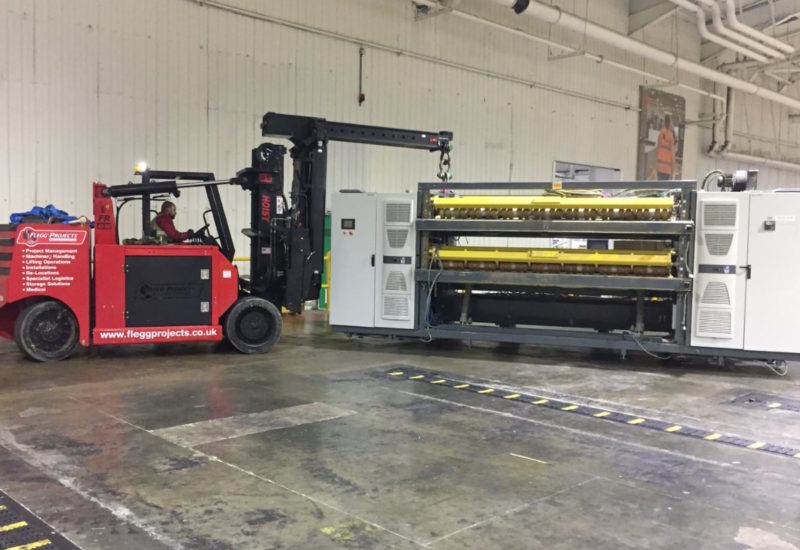
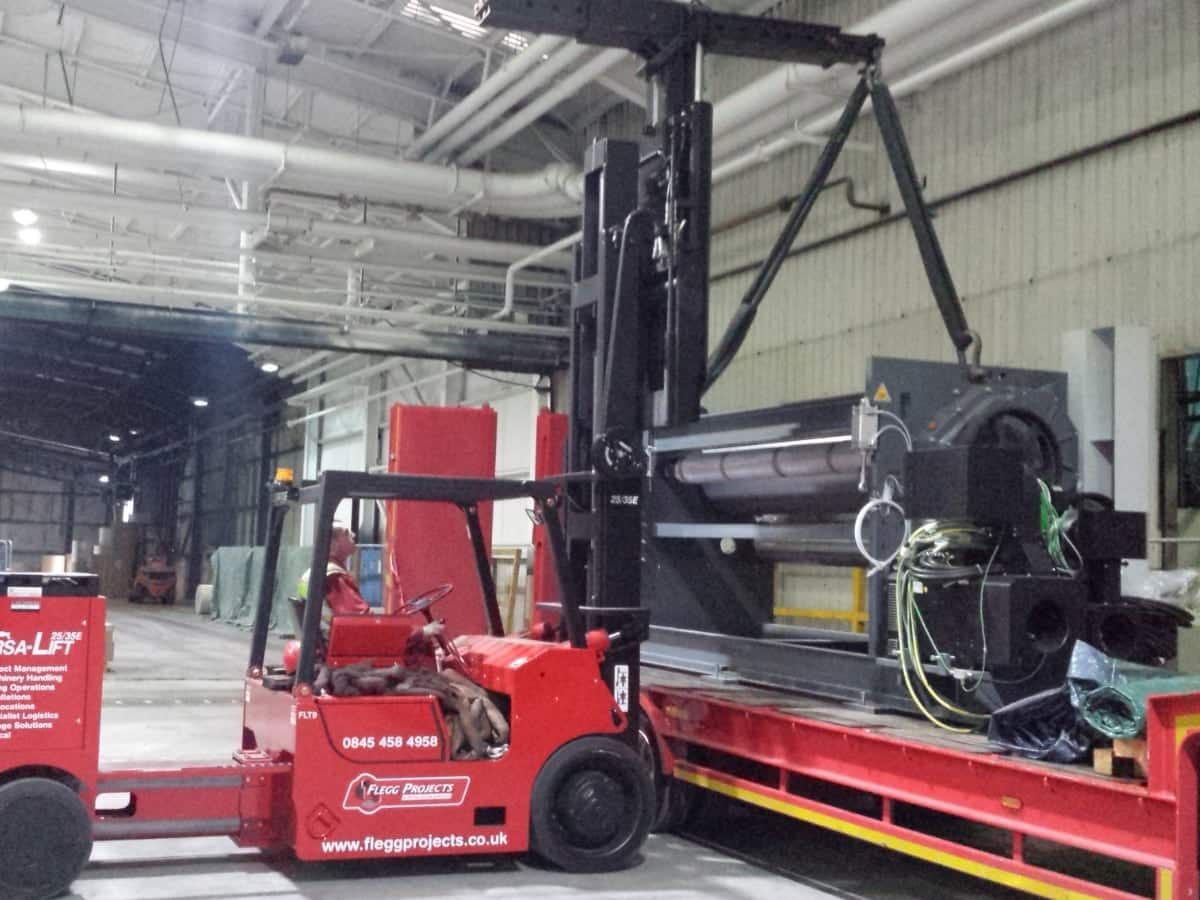
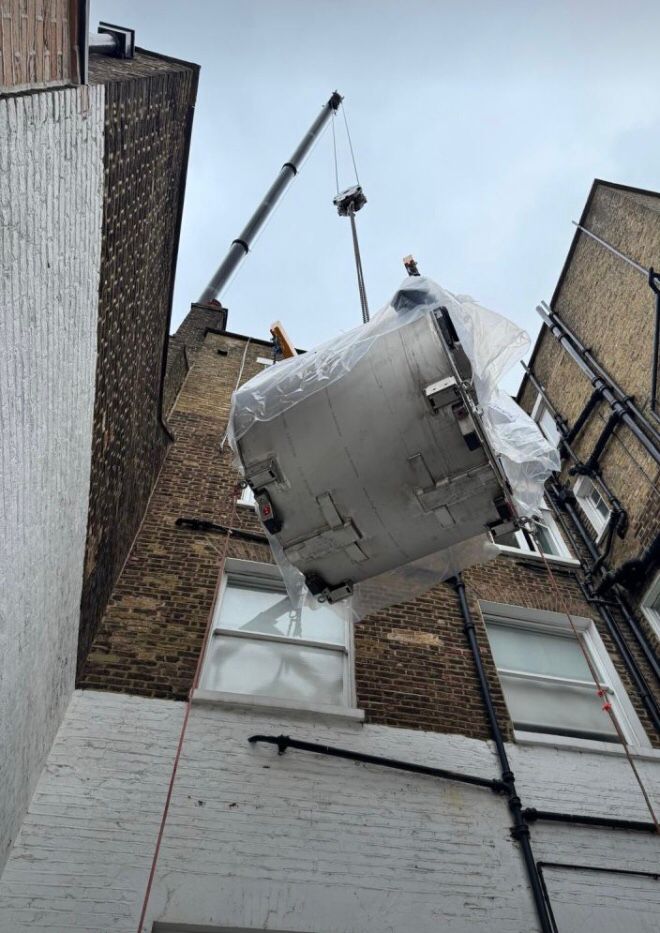
Whether it’s an MRI system, an X-ray unit, or a linear accelerator, the underlying approach stays consistent: understand the equipment’s specifications, secure the right handling tools for the job, and coordinate closely with the hospital departments involved.
But the details change every time. As one team member put it, all medical moves are challenging in their own way and demand careful handling; size, weight and sensitivity all shift the plan.
A Different Kind of Warehouse
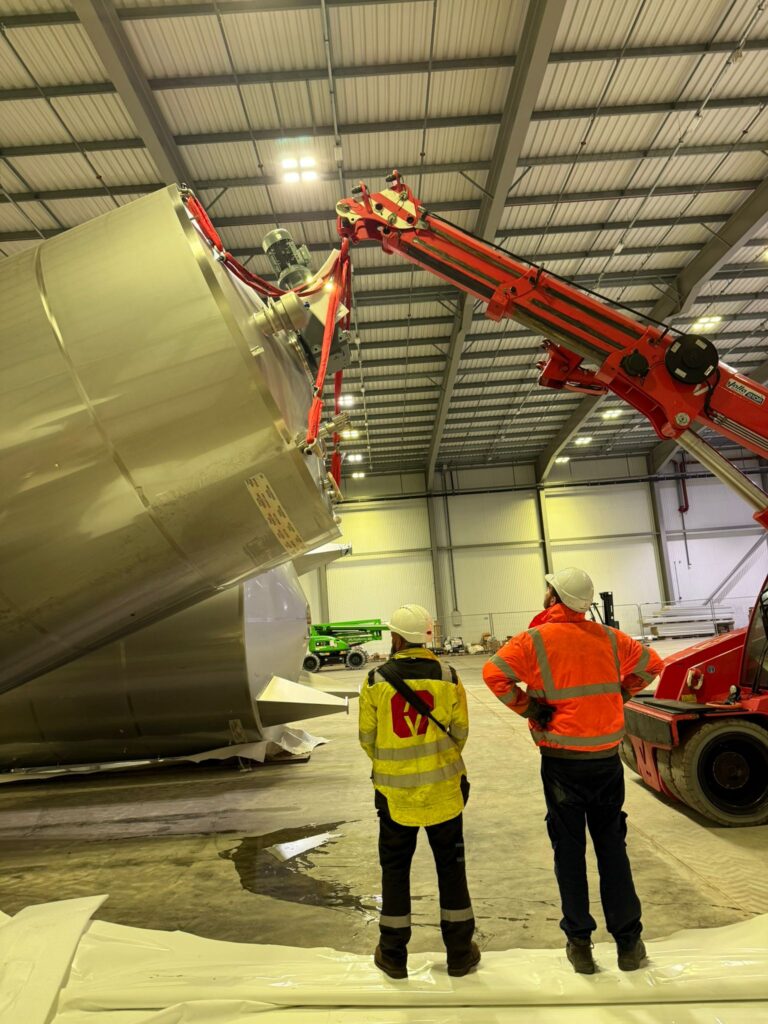
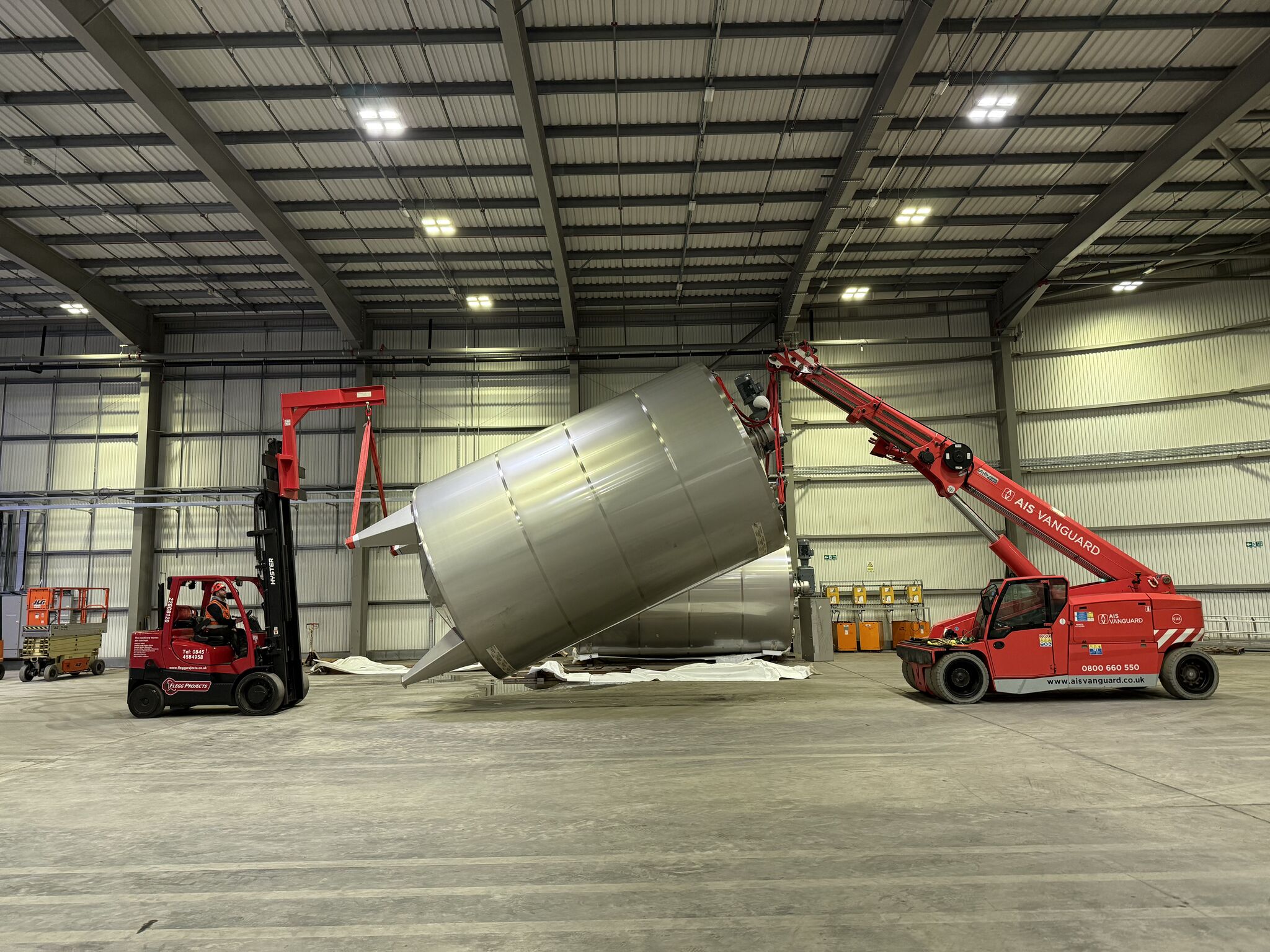
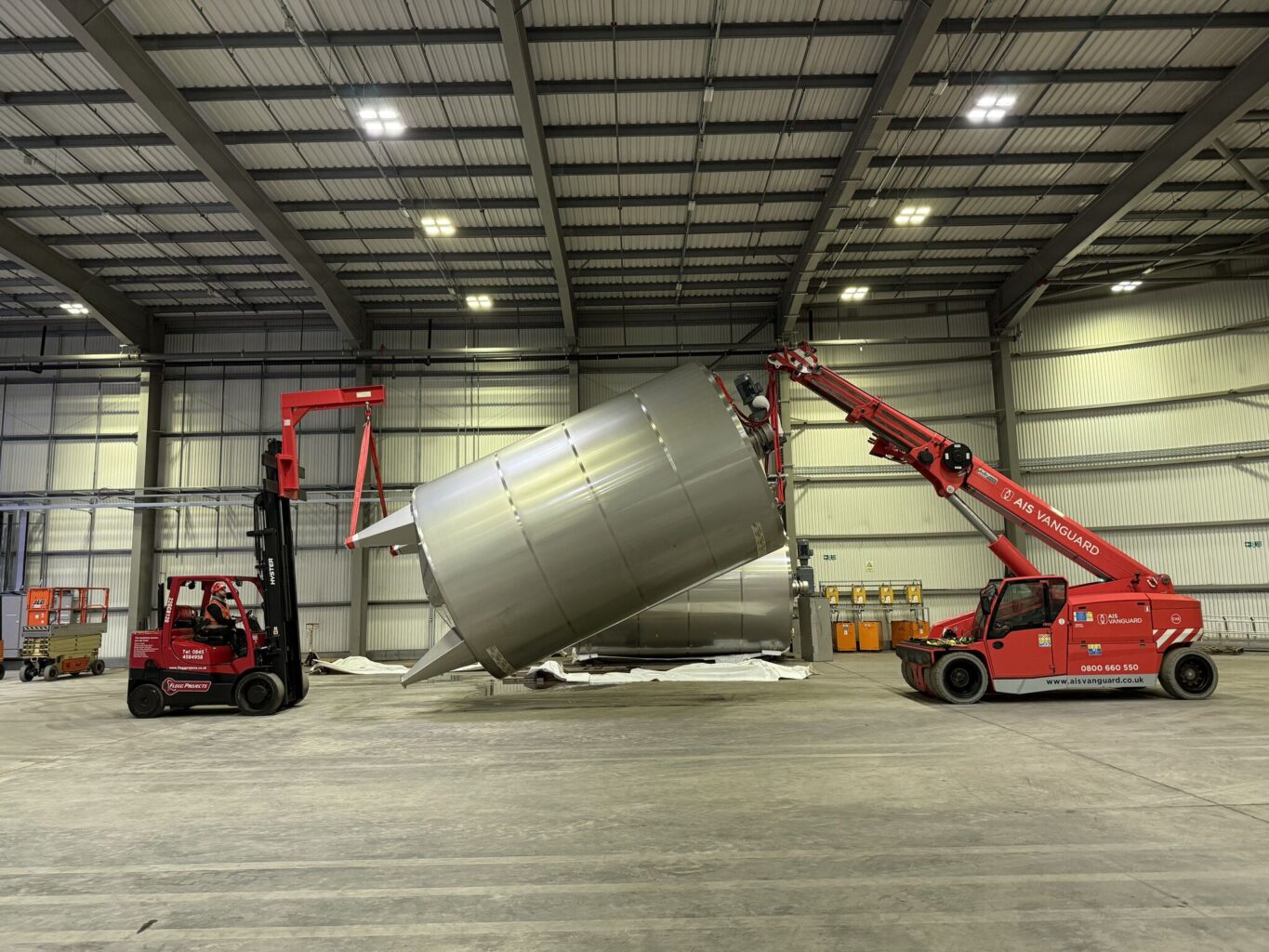
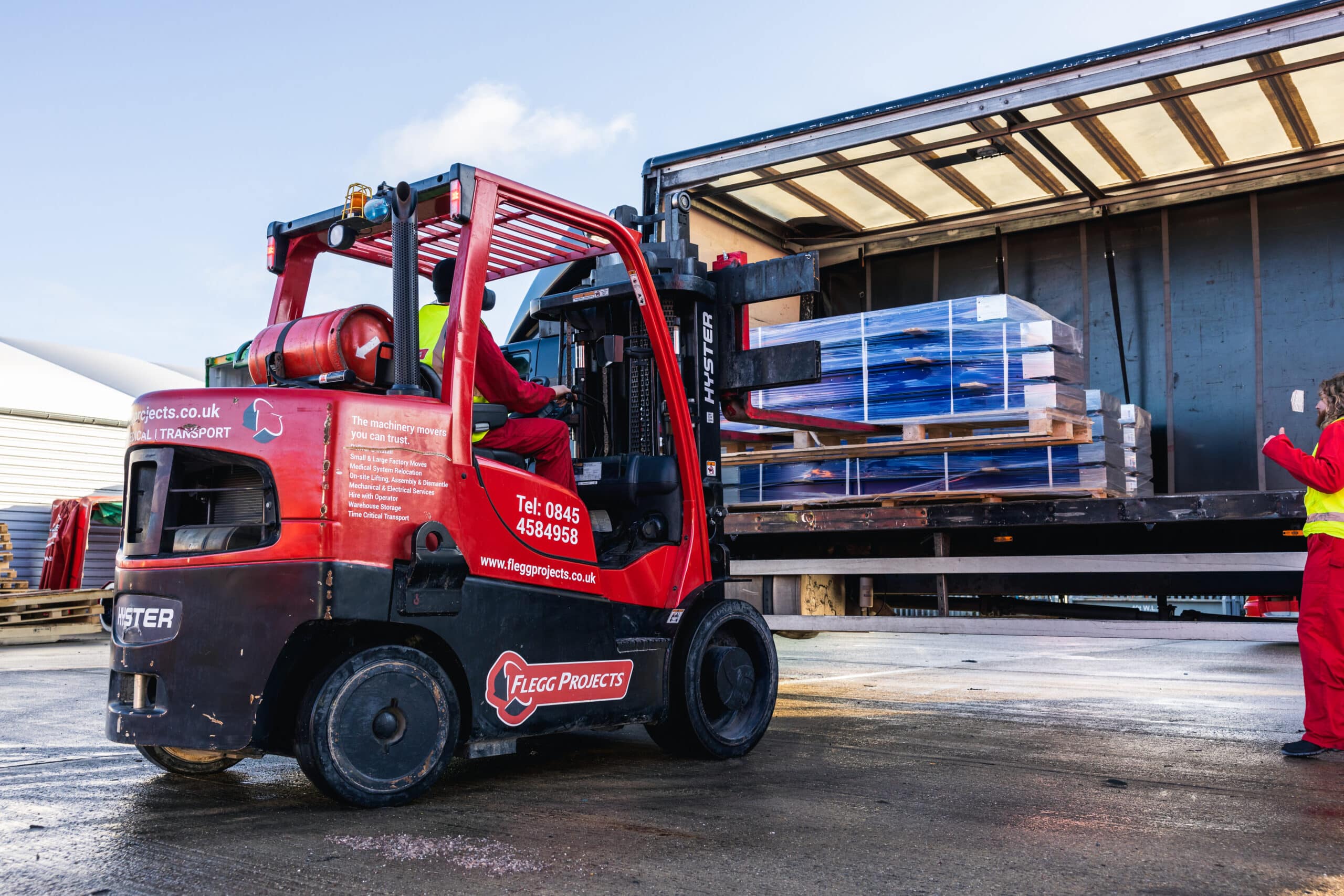
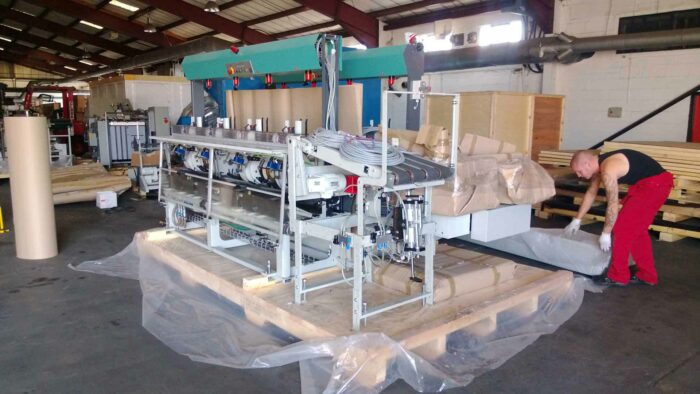
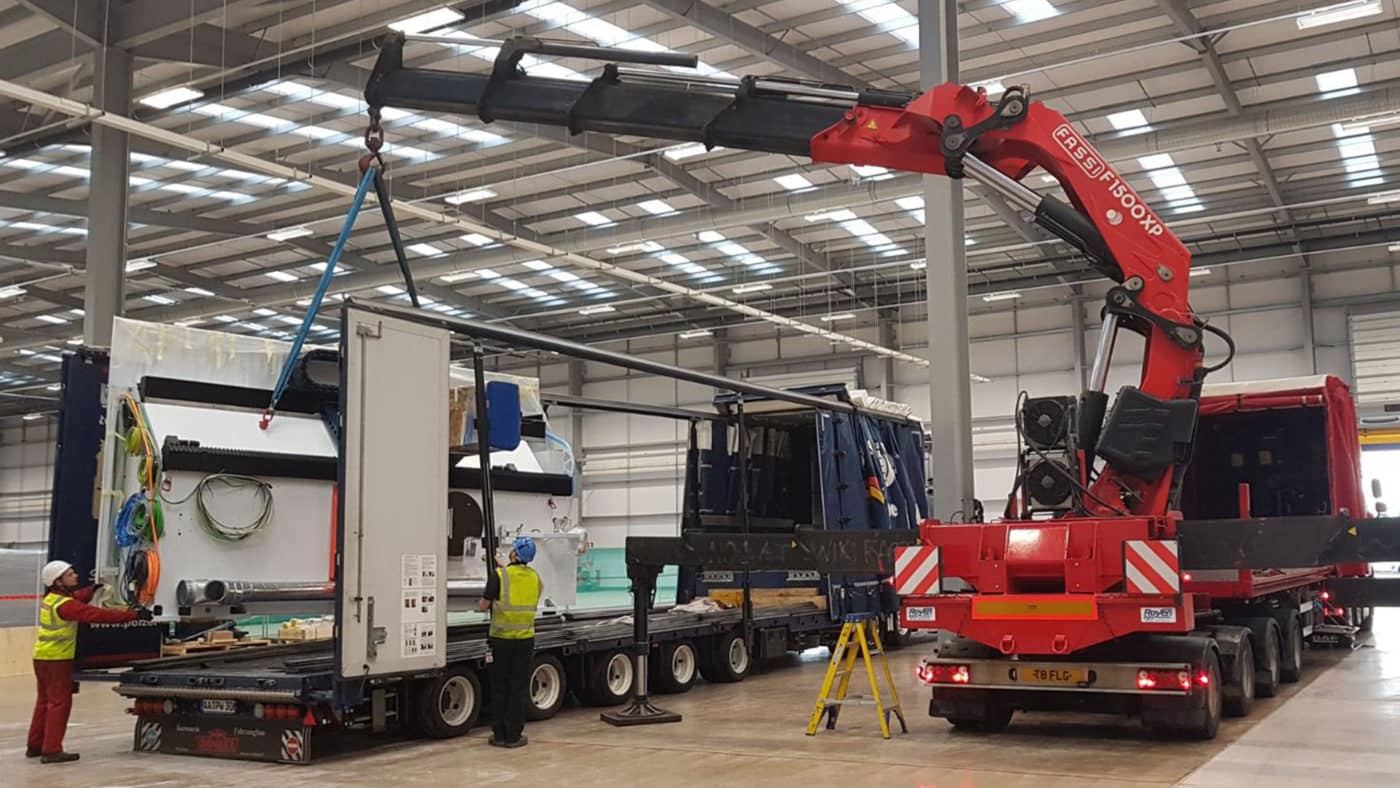
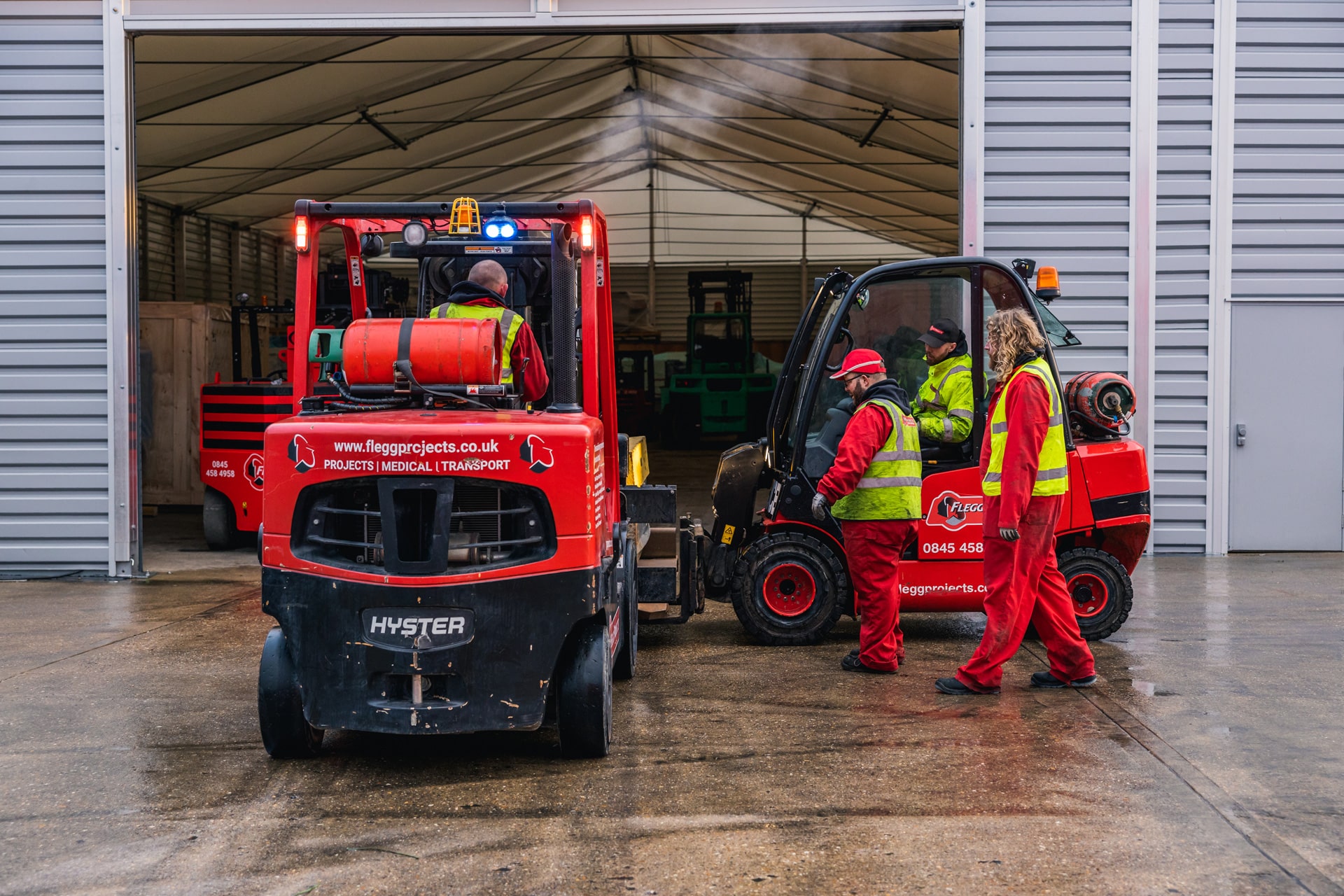
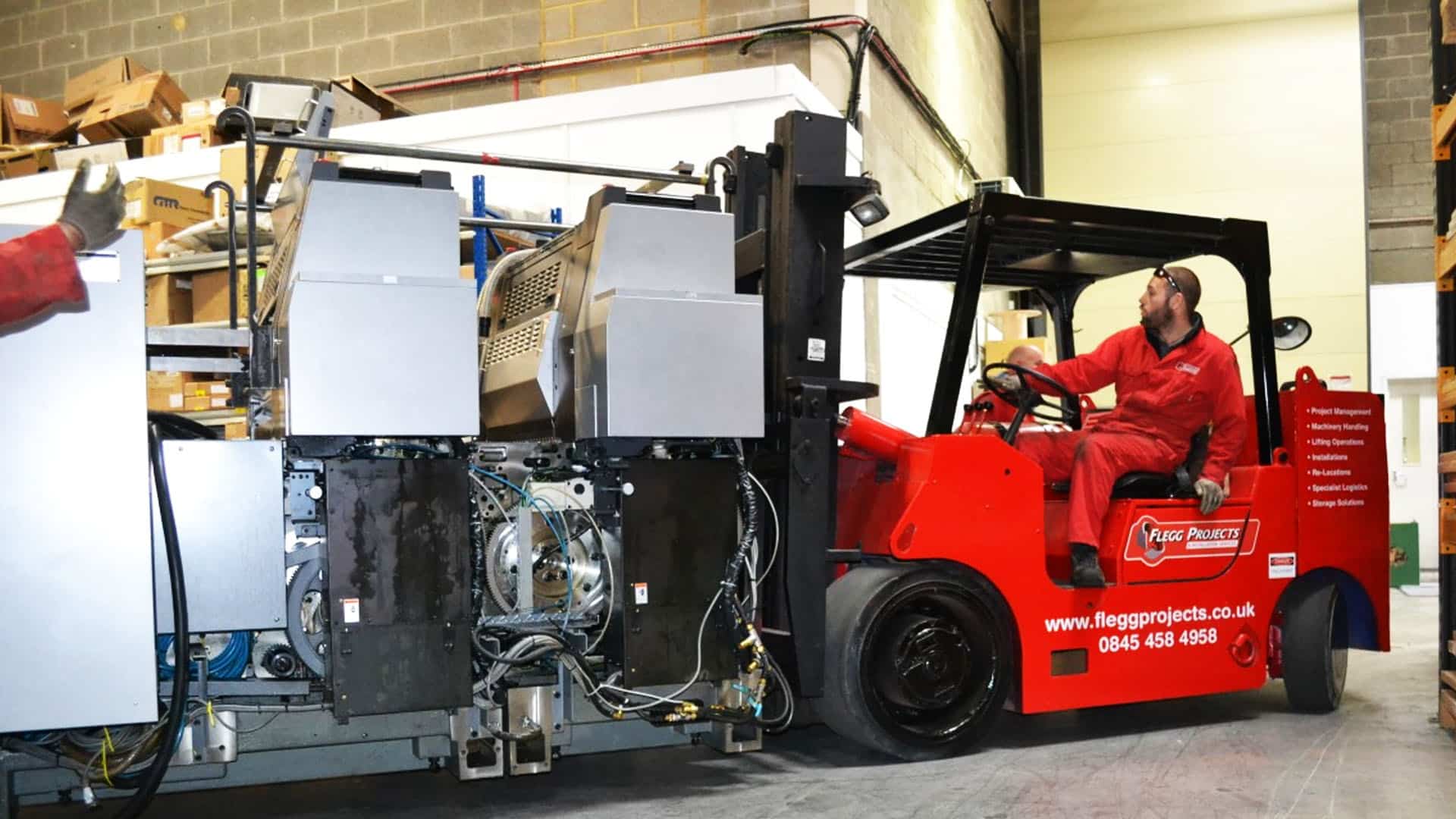
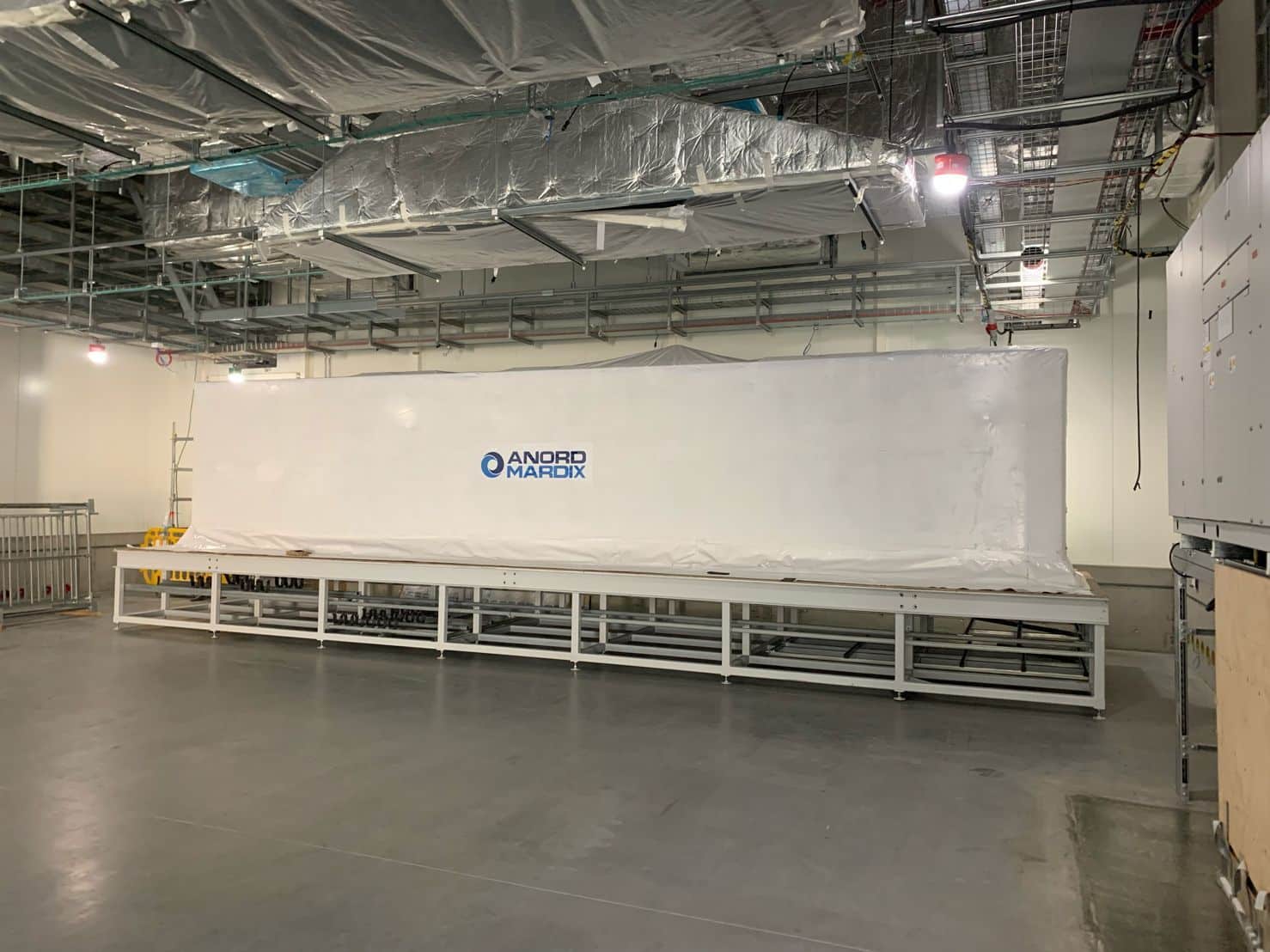
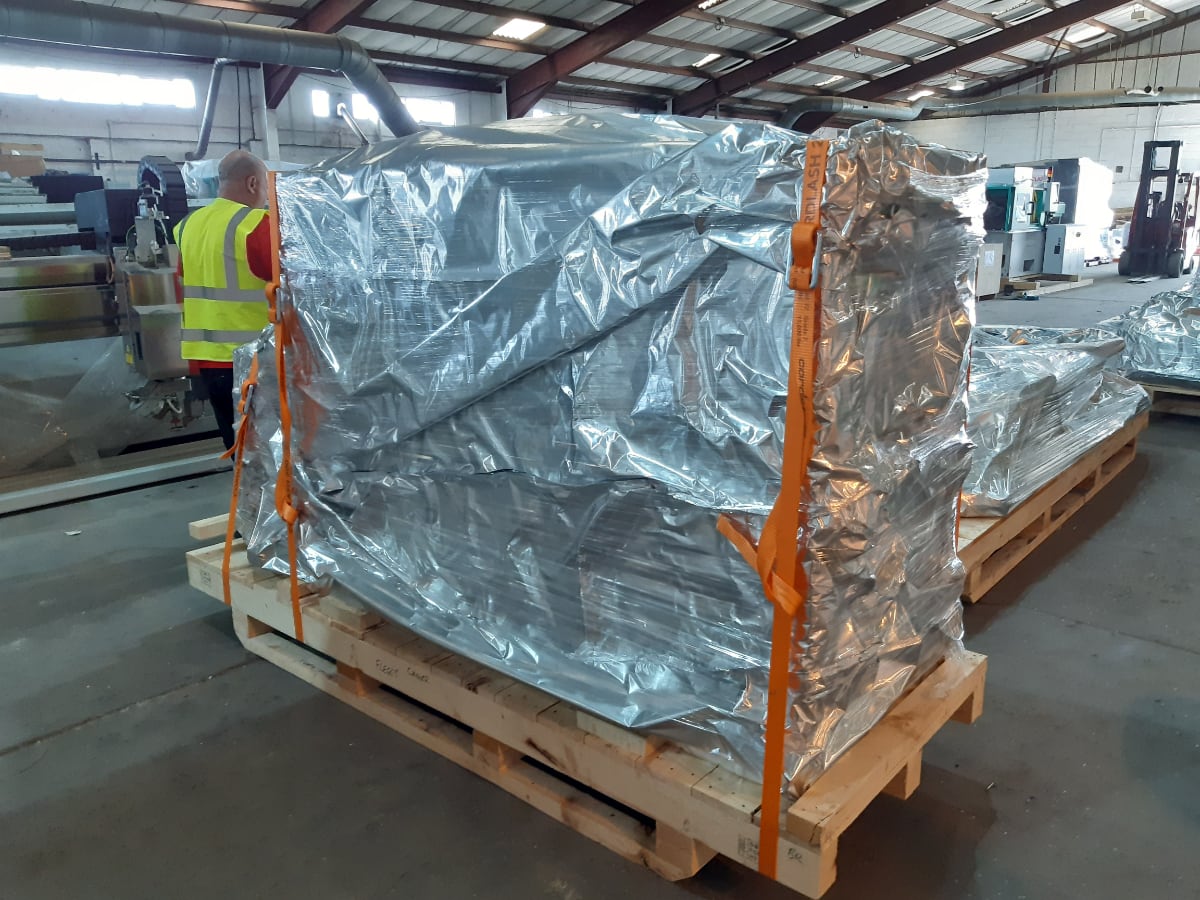
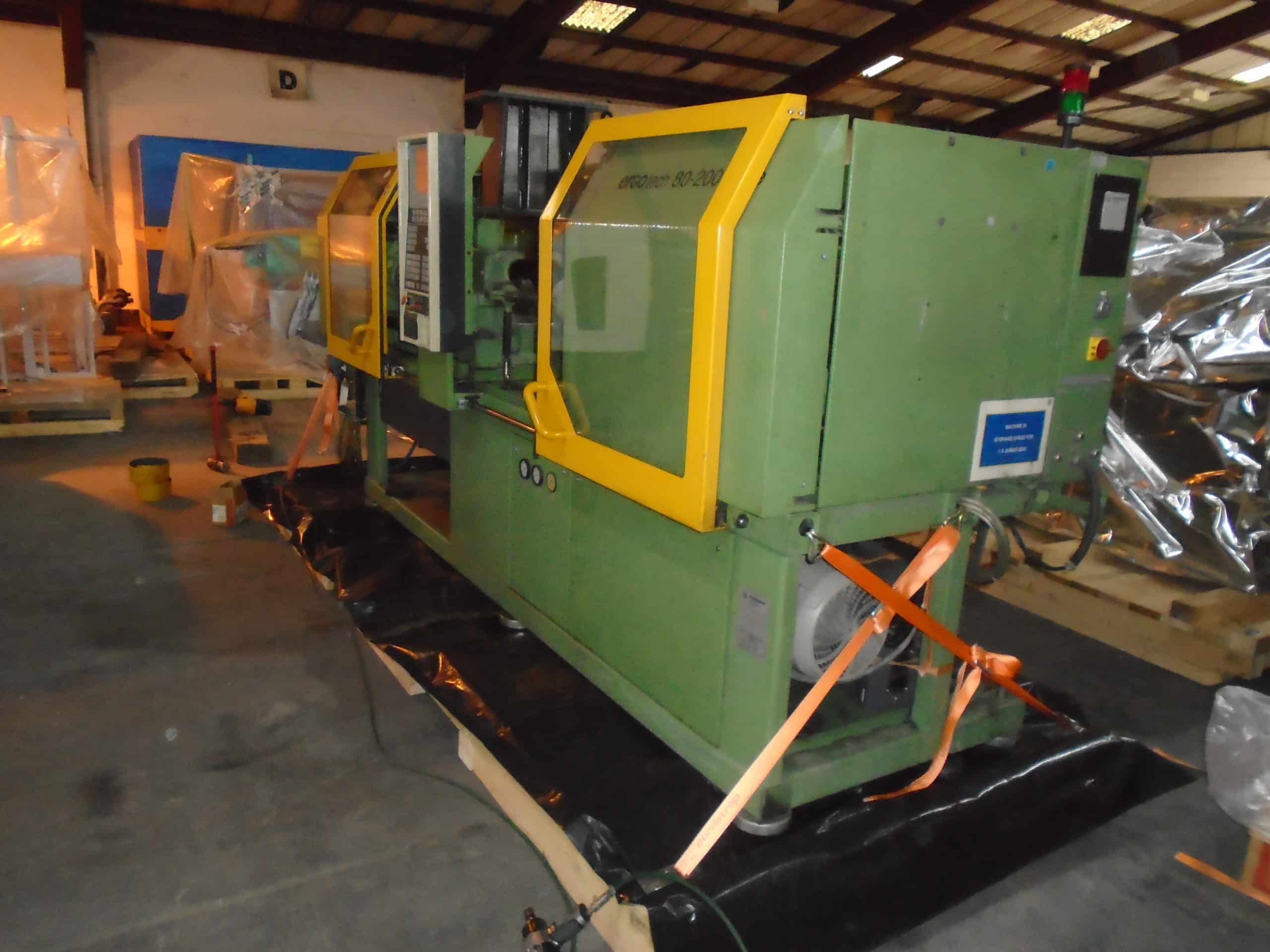
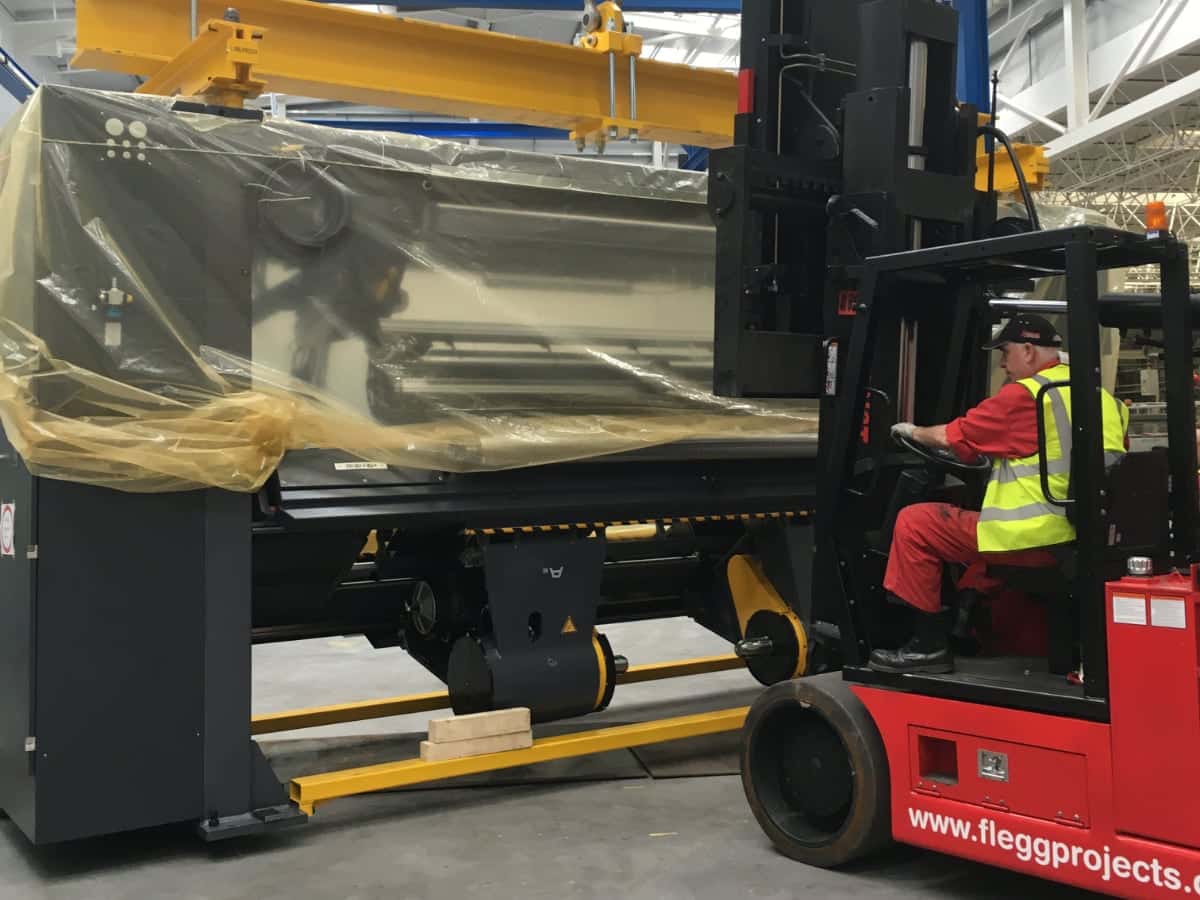
Behind these projects sits a warehouse built for a very different job than standard industrial storage. Equipment like Elekta linear accelerators and Biesse systems are kept in dry, secure, dust-free conditions, and staff are trained to handle it with a level of care that reflects just how valuable and sensitive it is. Some machines arrive still only partially packaged, which makes protecting them properly even more important.
Medical Work, Done Differently
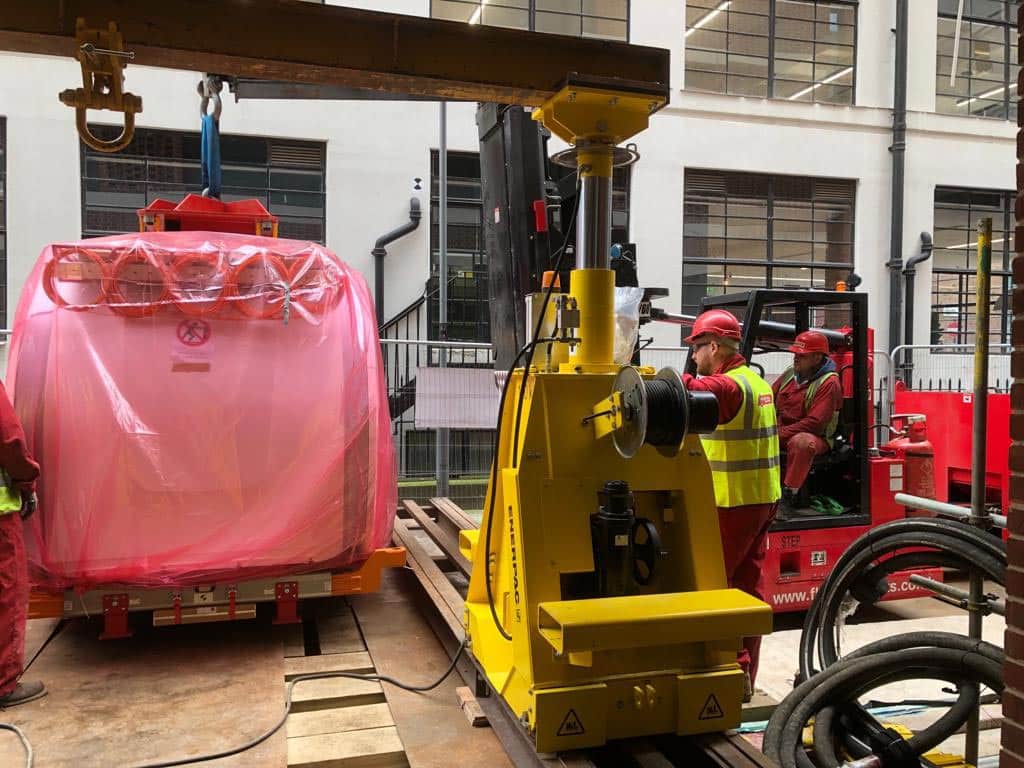
Whether it’s an MRI system, an X-ray unit, or a linear accelerator, the underlying approach stays consistent: understand the equipment’s specifications, secure the right handling tools for the job, and coordinate closely with the hospital departments involved.
But the details change every time. As one team member put it, all medical moves are challenging in their own way and demand careful handling; size, weight and sensitivity all shift the plan.
The Constant Through It All
Ask anyone who’s done this work for a while and the answer is the same: every medical move presents its own unique challenge, but thorough planning and close collaboration with the hospital consistently get the job done.
Safely, quietly, and without the patients or clinical teams ever needing to think about it.