7 Tips for Successful International Factory Relocations

The world as we once knew it has shifted. Brexit, the pandemic and eye-watering inflation have prompted unprecedented disruption in supply chains. Changes to the global economy and labour availability have left many investors diversifying their business models to counterbalance this newfound risk.

For many, protecting a business means relocating production. But exporting heavy equipment can be a logistical nightmare if you don’t have a reputable, experienced mover on your side.

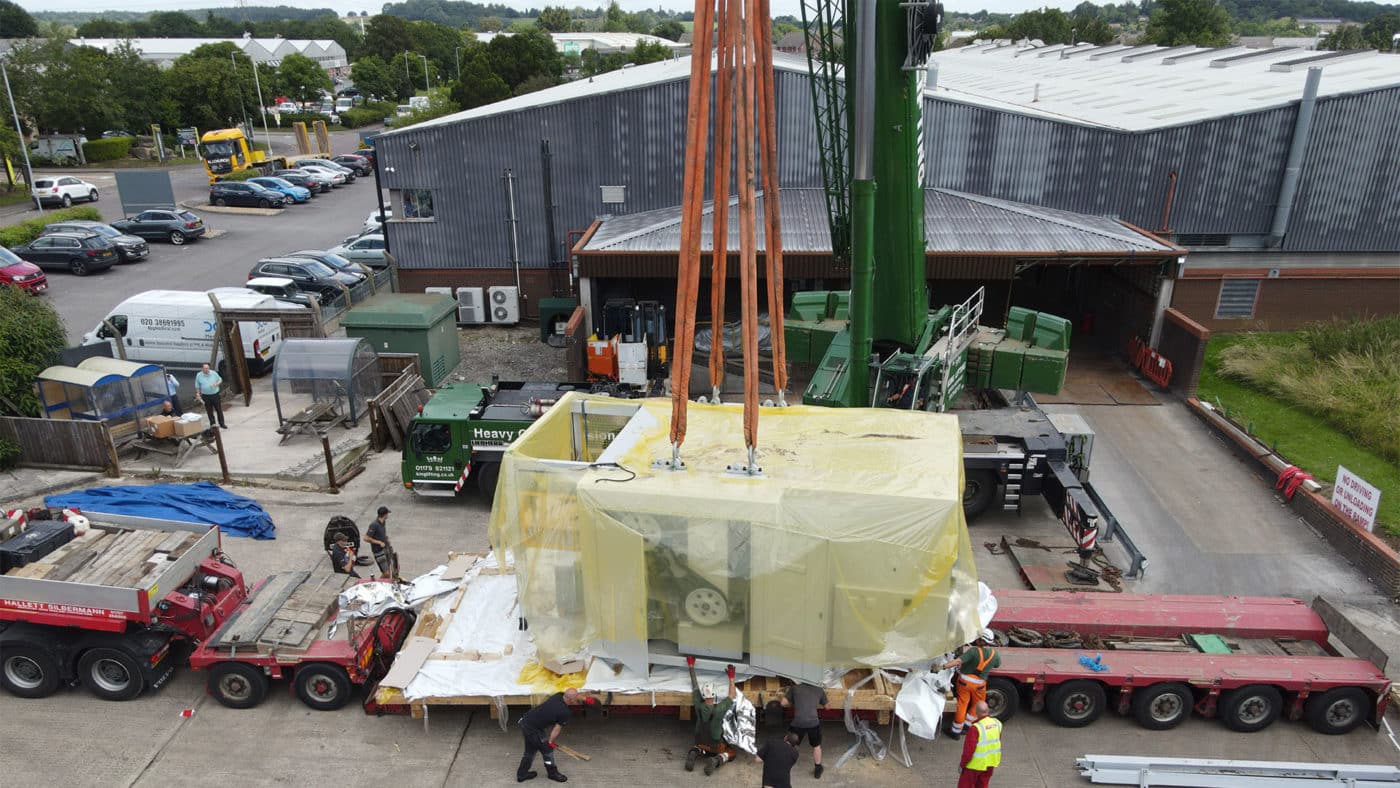
Since creating our projects division in 2007, we have been involved in many factory moves over the course of 15 years. This includes projects involving the export of machinery to worldwide locations including the USA, China, Tasmania, Mexico, Indonesia, Angola and Australia along with several locations in Eastern Europe. Vietnam is also seeing continued growth as investors try to combat rising costs and trade shocks in China. Diversifying your locations will help you to better manage those risks, but choosing the right location is just a small cog in the overall operation.

Here are our top tips on how to plan, evaluate, and mitigate risks to ensure a successful international factory location:

1)  Evaluate production targets

Your yearly production targets could be affected by the move. But how much depends on preparation and planning in the early stages. You should evaluate the impact of the relocation against production targets by asking yourself the following:

  • How long will it physically take to move the assets?
  • How can we plan efficiently around this downtime?
  • Do you have sufficient stock or capacity to be without the machinery?

A good risk assessment will enable you to evaluate all potential risks that could impact production, such as cargo delays and fluctuations in the schedule. Planning in advance and consulting your chosen mover will allow you to implement the best strategies to minimise any disruption.
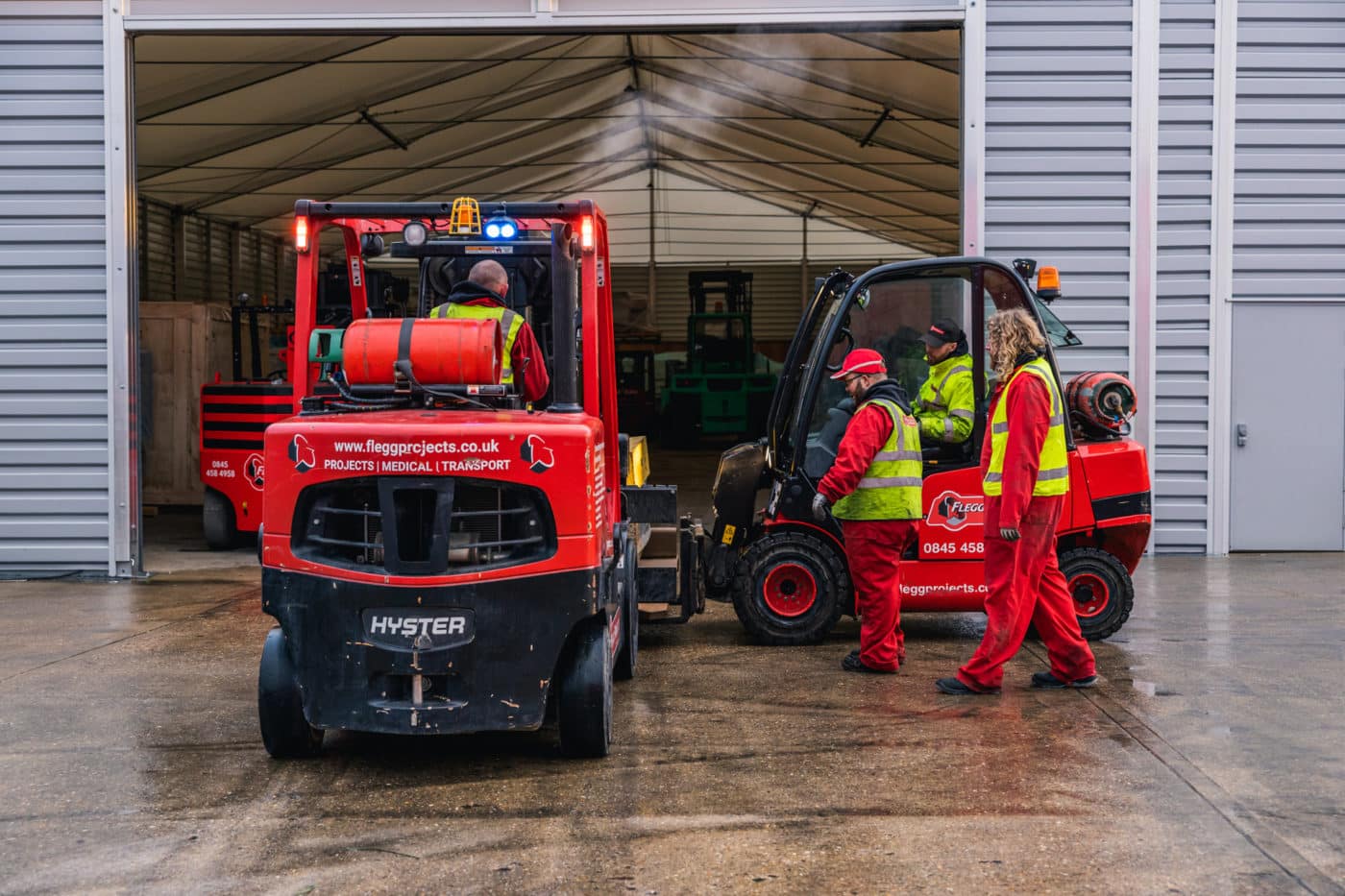
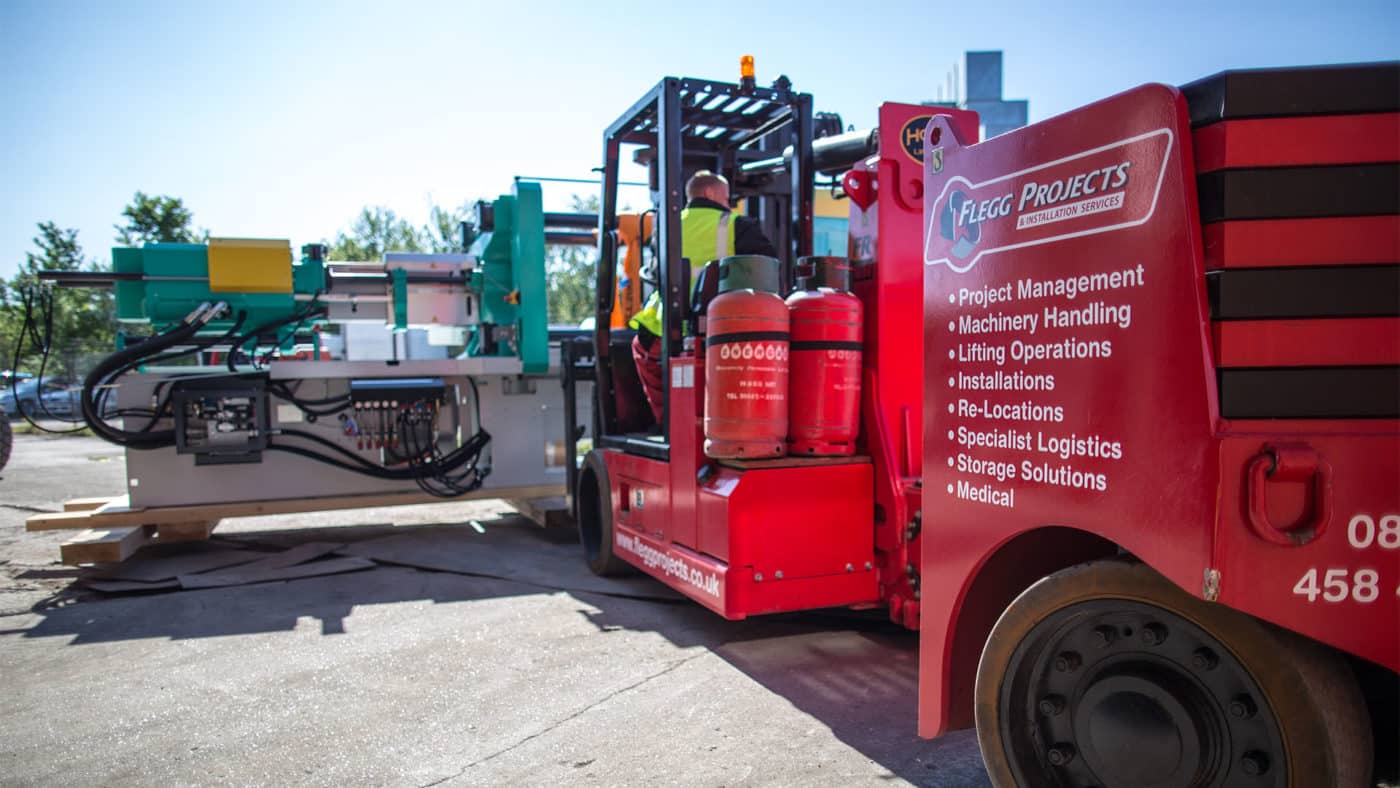
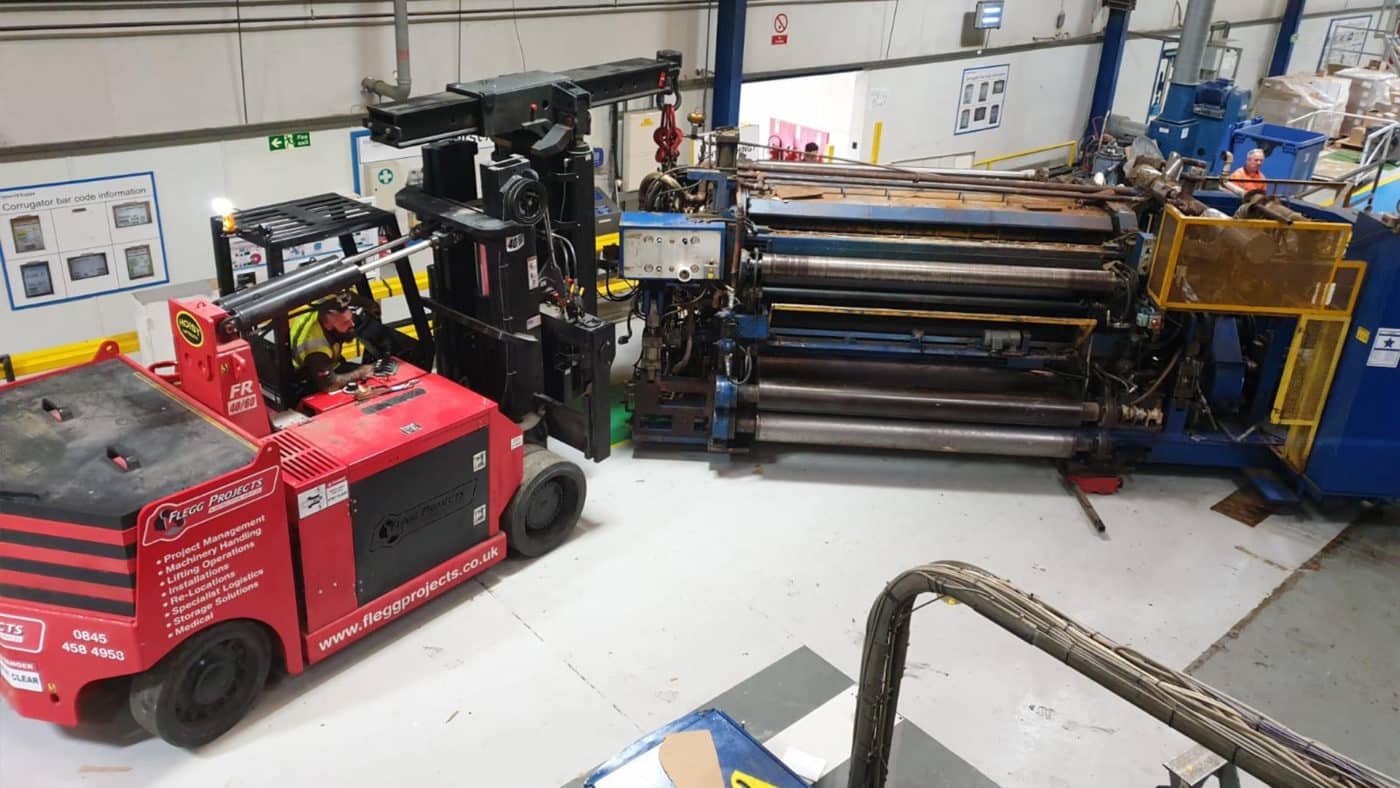
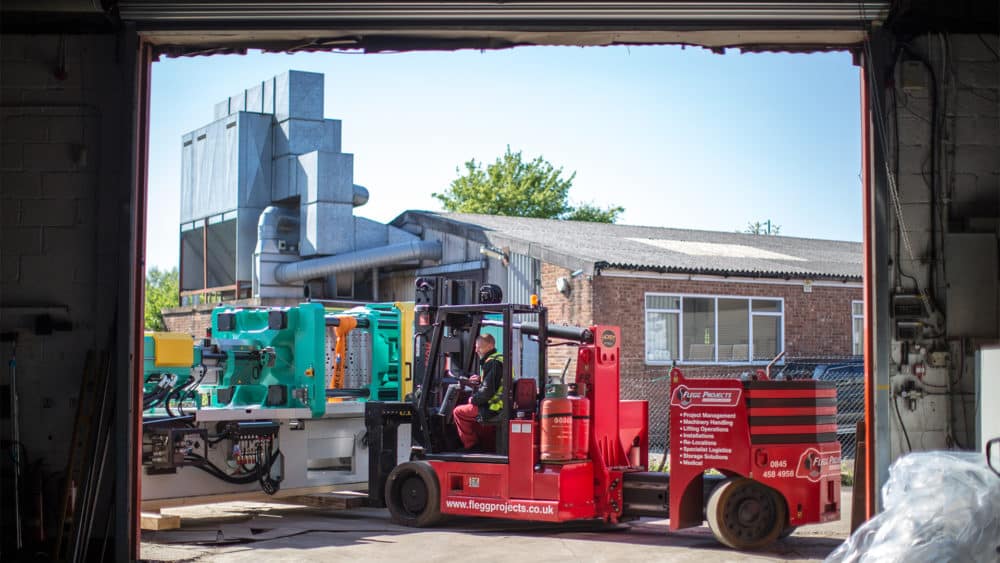
Factory Relocations

2)  Be realistic

It’s not uncommon for clients to greatly underestimate the cost of an international factory relocation. There are many costs to consider, including engineering, handling, and freight. Substantial expertise is required to ensure the relocation is completed successfully with minimal disruption to the business. Assigning a realistic budget at the beginning will allow buffering space and room to assign the correct people, and reduce the risk of unforeseen costs following completion. Make sure you obtain quoted costs and even advice from machinery moving experts to include in your overall budget at the start.

3)  Swot up on export documentation

There are stringent export and import regulations that govern the shipping of large-scale machinery. Shipping costs can also be expensive and incredibly challenging. It will pay off to be aware of current legislation and the latest procedures for exporting/importing.

Brexit has prompted new requirements to create export documents, some of which are rather complex. Getting these wrong will lead to delays and additional costs.

Hiring a reputable and experienced mover will take some of the heat off. But do take the time to get up to speed with new export and import procedures yourself. Before you start the process, you’ll also need to obtain the correct licences and documents for the chosen location. Different countries will have different legal requirements, so before any cargo leaves the UK, ensure it meets the import requirements of the new location. An experienced mover will be able to offer guidance during this stage.
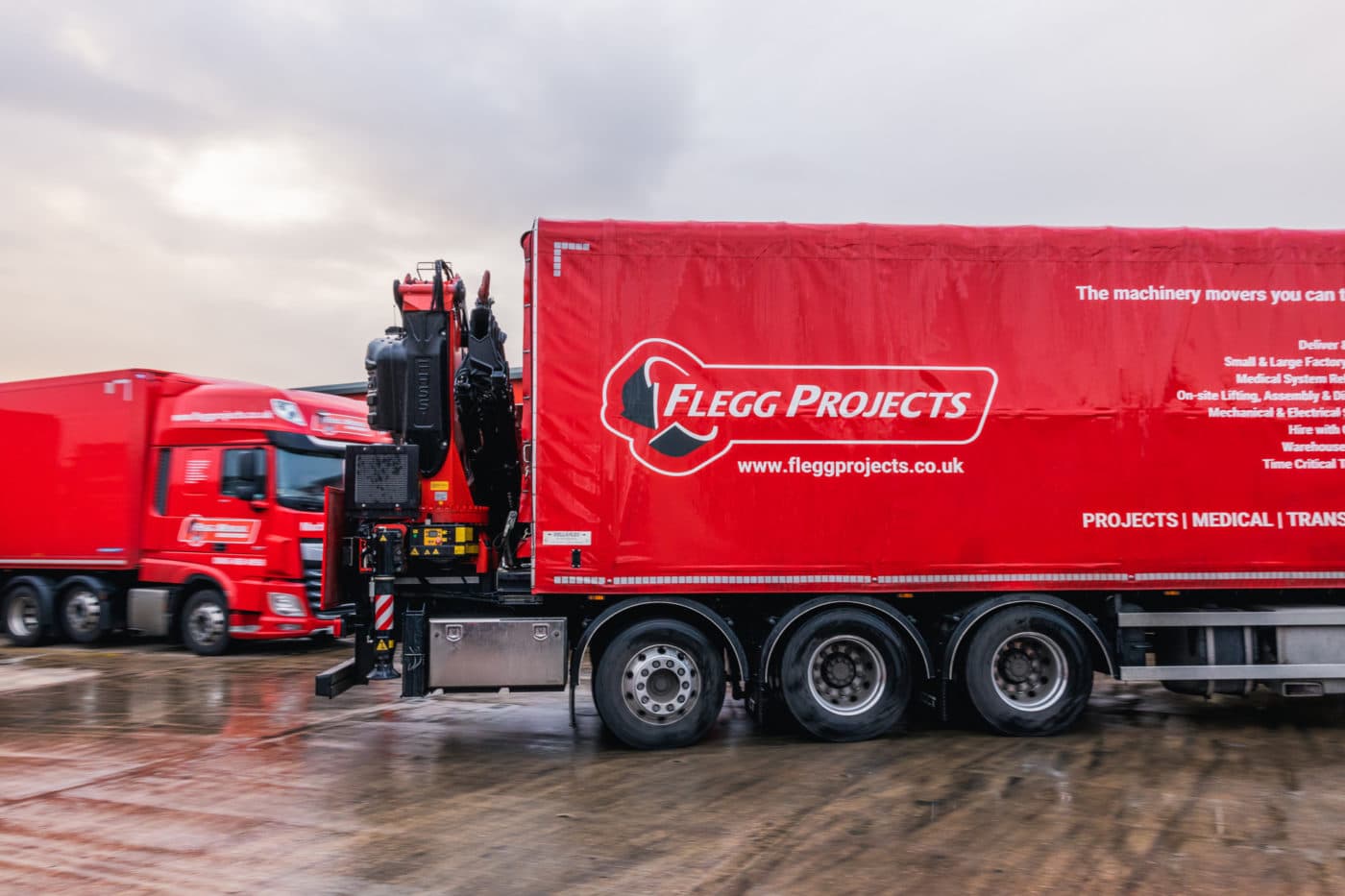
4)  Maximise planned down time

Planned downtime will be built into the relocation project, but there are ways you can maximise this to improve the business further. Consider opportunities to improve if you have the time and budget needed. For example, can your machines be upgraded, improved or serviced? You might find that small improvements here result in greater efficiencies later in the project, or once the relocation is complete.

7)  Involve partners with previous experience

You may interact with a few suppliers before you find your chosen mover. Don’t be afraid to assess the market, speak to peers, and have initial meetings to gather all the information you need before you agree on a supplier. Partners with previous experience in international factory locations will be able to advise and guide you through the process and help mitigate risks before they occur. Previous experience also means they will have an understanding of the individual requirements of particular regions. It will naturally take a lot of investigation but ensure you have a clear set of requirements with your supply chain. Before your commit to a supplier, ask yourself:

  • Do they have the capacity to handle your project?
  • Will they provide any management or co-ordination?
  • Are they able to provide a turn-key service? 

If you think Flegg could be the right supplier to manage your next international factory relocation, you may wish to read up more on our Divisions, or speak to a member of the team today.
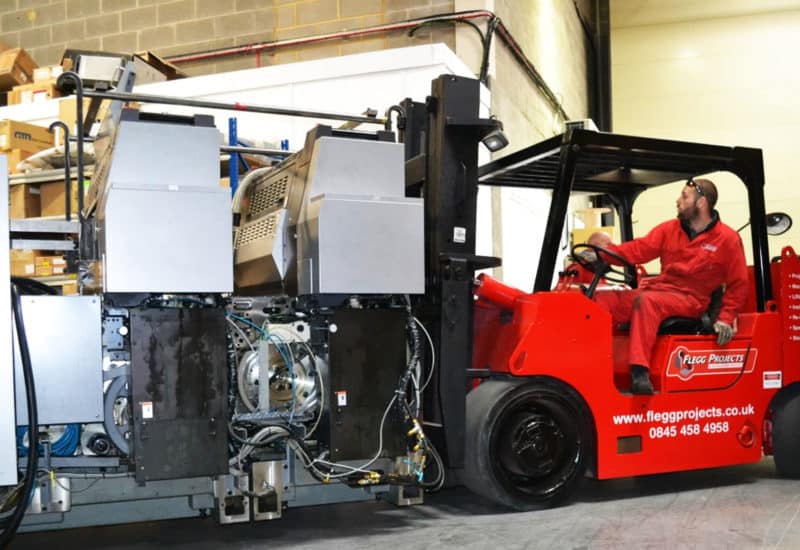
How to move heavy machinery & equipment

So, you know that you need to move some heavy machinery and equipment either to or from your site. The big dilemma is ‘how?’.

Thankfully, professional heavy equipment movers like Flegg Projects can find the best solution for your specific business needs.

Understanding heavy machinery moving needs

When completing heavy machinery moving projects, it’s important to remember that no two projects are the same.

The job could involve a heavy or delicate piece of equipment moving within the same factory or an item being sent to a destination on the other side of the world. This could be a time-critical move, or the site could have restricted access and involve many different partners.

heavy machinery & equipment

Whatever the requirement, the classification of what counts as “heavy” can vary from one company to the next. Here at Flegg Projects, we can lift loads of up to 125-tonnes and we have a wide range of machinery moving equipment to suit almost any need, including;

  • Counterbalance forklifts
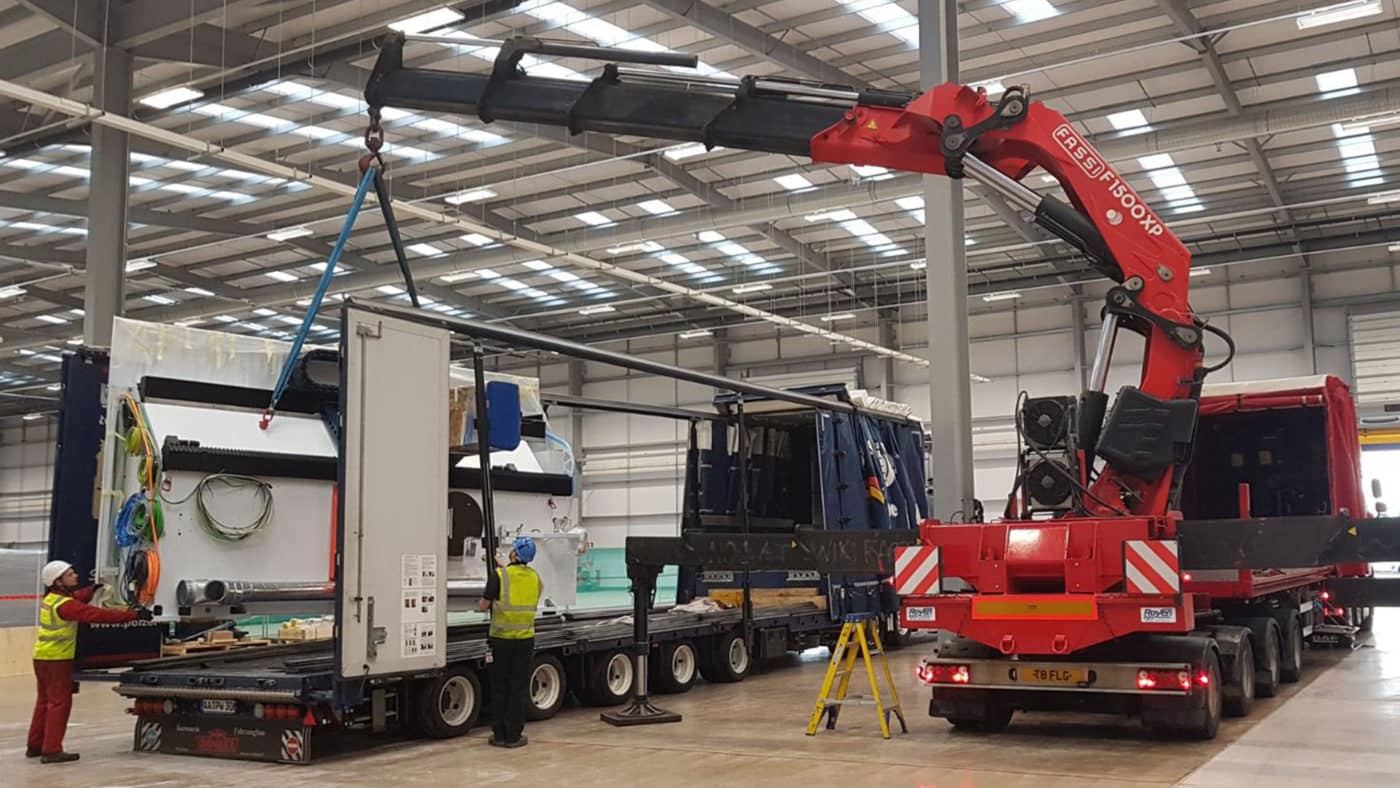
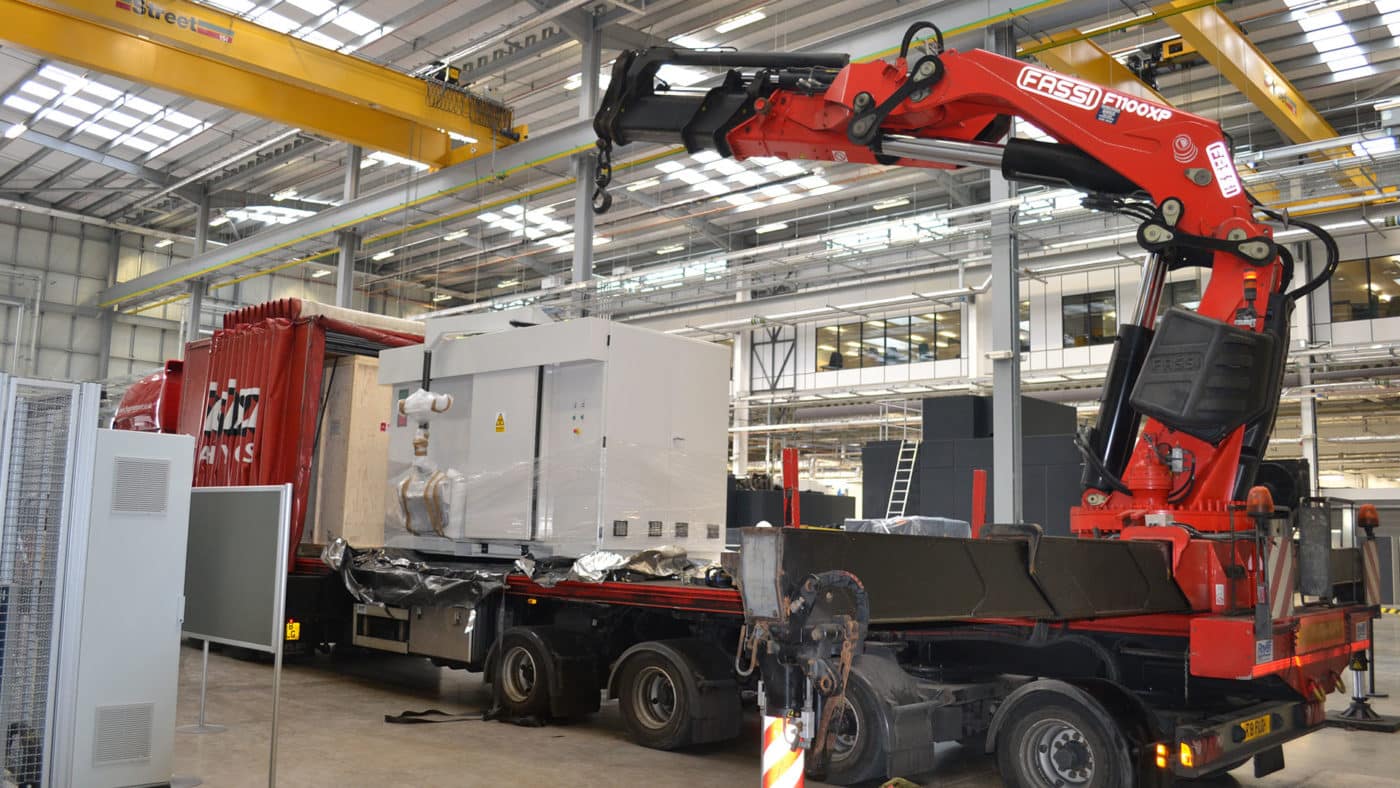
  • Hiab vehicle-mounted cranes
  • Hydraulic gantry system
  • Versalifts
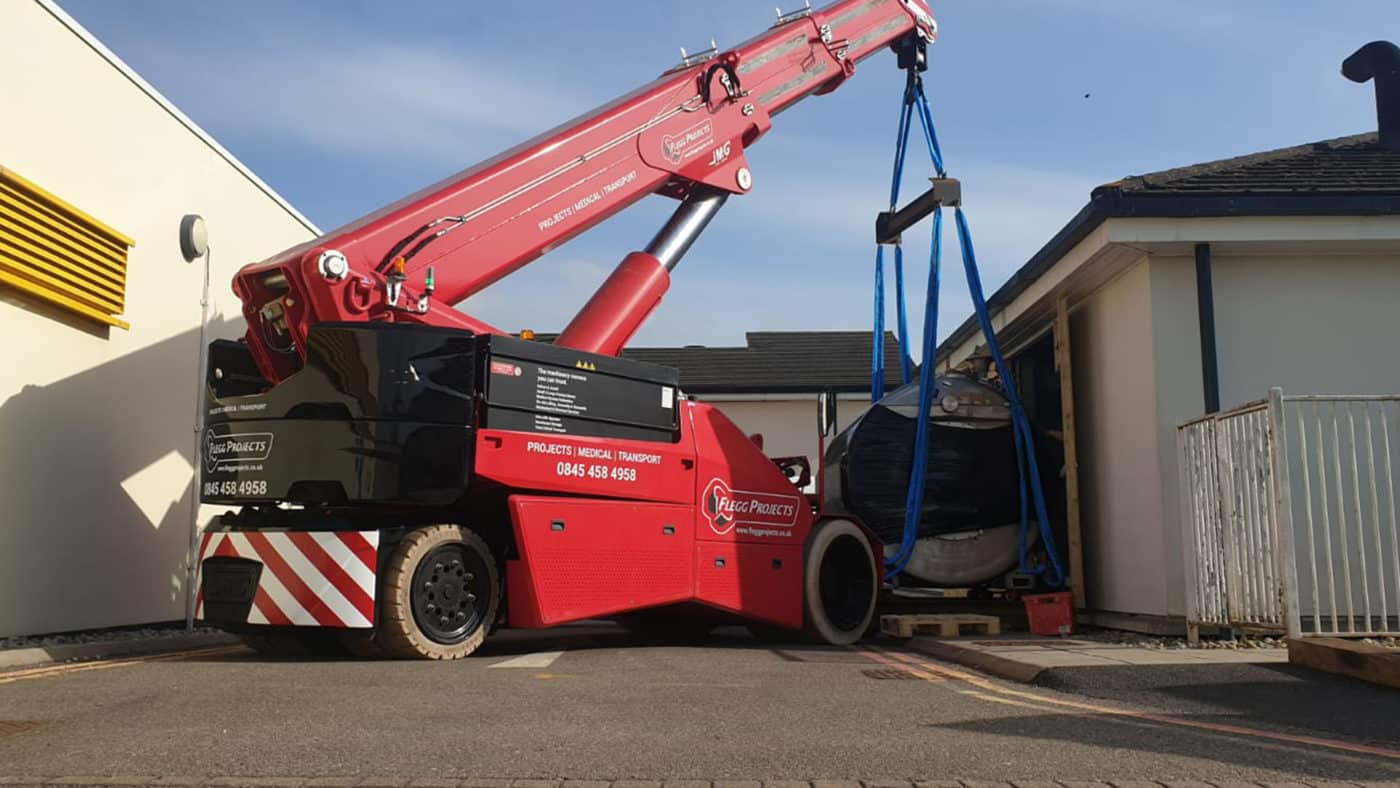
  • Cabin cruiser crane
  • Air skates
  • Ground moving tackle & lifting accessories
  • Articulated trailers with hydraulic loading ramps, rigid and drawbar vehicles with rear-mounted cranes, a range of tail lift, flatbed and panel vans
  • Bespoke equipment for more testing situations

From simple moves to extremely complex assignments, Flegg Projects will handle all aspects with care.

Book your heavy equipment movers today!

Whether you’re looking to move heavy equipment or machinery, it’s likely that the assets are some of your most valuable items – both financially and in terms of productivity. Given their importance, as well as the complexities of shifting them, hiring a professional machine movers is the best solution by far.

Whether you need an emergency appointment or want to schedule a future move, get in touch on 0845 458 4958 to speak with one of our friendly team members today!

heavy machinery & equipment

How to choose the right machinery moving company

Simple answer – just choose Flegg Projects machinery movers…

With that said, you probably want a more detailed response than that! After all, your heavy machinery items are some of the most valuable assets at your company’s disposal. You simply cannot afford to settle for anything less than the very best solution.

By now, you should be familiar with the reasons why professional machinery movers are the best solution. Here’s how to be sure that the best results are found.

Machinery Movers That Are Aligned to Your Needs

There are many things to consider when selecting a contractor to move your valuable assets. Perhaps most importantly, you don’t just want a specialist who understands the industry, you need a company that understands you!

Here at Flegg, we pride ourselves on tailoring our services to the client’s individual needs, but we primarily deal with two very distinct types of customers.

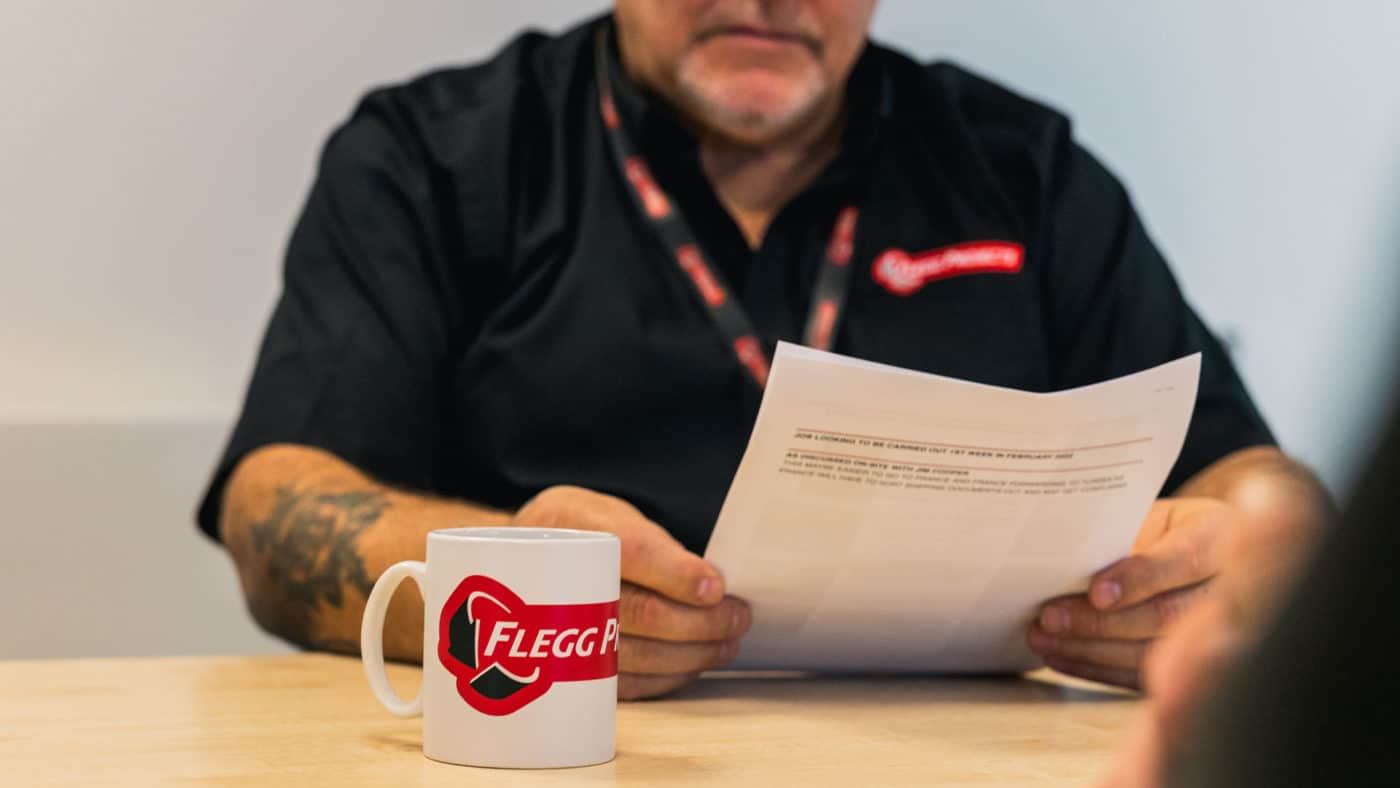
Flegg employee monitoring deliveries

Firstly, you may be a frequent client who has previously worked with other machine movers and transport companies to deliver and/or install new machinery.

In this case, you may already show a strong level of understanding surrounding the processes involved. If your current or past machinery movers haven’t lived up to your expectations, we will be more than happy to supply a service befitting your company standards.

Alternatively, you may be a new or infrequent client with sporadic requirements. In this case, there is a strong possibility that you won’t know (or don’t want to know!) too much about the specifics of the projects or machinery moving equipment that will be used. You simply need to know that there will be a smooth transition from A to B.

Whatever your needs might be, Flegg Projects will work closely with you to ensure that the most practical and cost-effective solutions are selected. We’re not just great machinery movers, we’re YOUR machinery movers.

Finding Machinery Movers You Can Rely On

Given the importance of the heavy equipment in mind, both financially and in terms of your business operations, you must be ready to place 100% trust and confidence in your machinery movers. Choosing a contractor with limited experience can be as damaging as selecting one with inferior moving equipment and could lead to severe, costly delays.

Flegg Projects has nearly 50 years of expertise in this sector, serving clients with a wide range of requirements. You can be sure that our team of specialists can deliver the perfect results time and time again.

Interior installation

You need to be sure that your machine mover has the necessary technical and practical knowledge to assess and complete the work safely and efficiently. Flegg’s capabilities can be demonstrated through a plethora of case studies for previous jobs. If you can’t find one that is similar to yours, don’t be afraid to reach out and ask for more information on one of our relevant past projects.

Lifting and moving heavy machinery is a high-risk task and must be carried out by trained staff who are equipped with the right tools that are not only suitable for the project but also meet with the LOLER and PUWER regulations. We have seen and heard many stories about companies who found out the hard way that their machine movers were not compliant. Frankly, you do not want to face the financial and legal ramifications that would follow.

Thankfully, with Flegg Projects, you can have full confidence at every stage of the process. Our experience, transparency, and reliability are second to none.

Hiring Machinery Movers? Here’s Why Back-Office Alignment Is Key

Alignment and planning are two huge factors and something that the back-office team are constantly juggling every day: particularly in these post-Brexit times.

After all, seeing your new piece of expensive kit being lifted with a big Forklift, gantry or crane is a sight that you rarely see as an owner or manager. Here at Flegg Projects, however, this is what we do every day but there is so much more that goes into ensuring that it all goes as planned. Here’s all you need to know about alignment throughout the machine moving process.

What is alignment with machinery movers?

Alignment within the professional machinery movers sector is essentially a process that ensures your heavy equipment and machinery will arrive on time and in good health. By overcoming the logistical nightmares of transporting such large items, as well as keeping all parties on the same page, you can focus on using the machinery to its full potential.

Depending on the scope of work, Flegg Projects can align our programme with up to 8 different stakeholders. From the manufacturing company that purchased the machine, to the machine manufacturer to the transport company bringing the machine from the factory to the UK. And this will ultimately feed into your company’s overall strategic alignment.

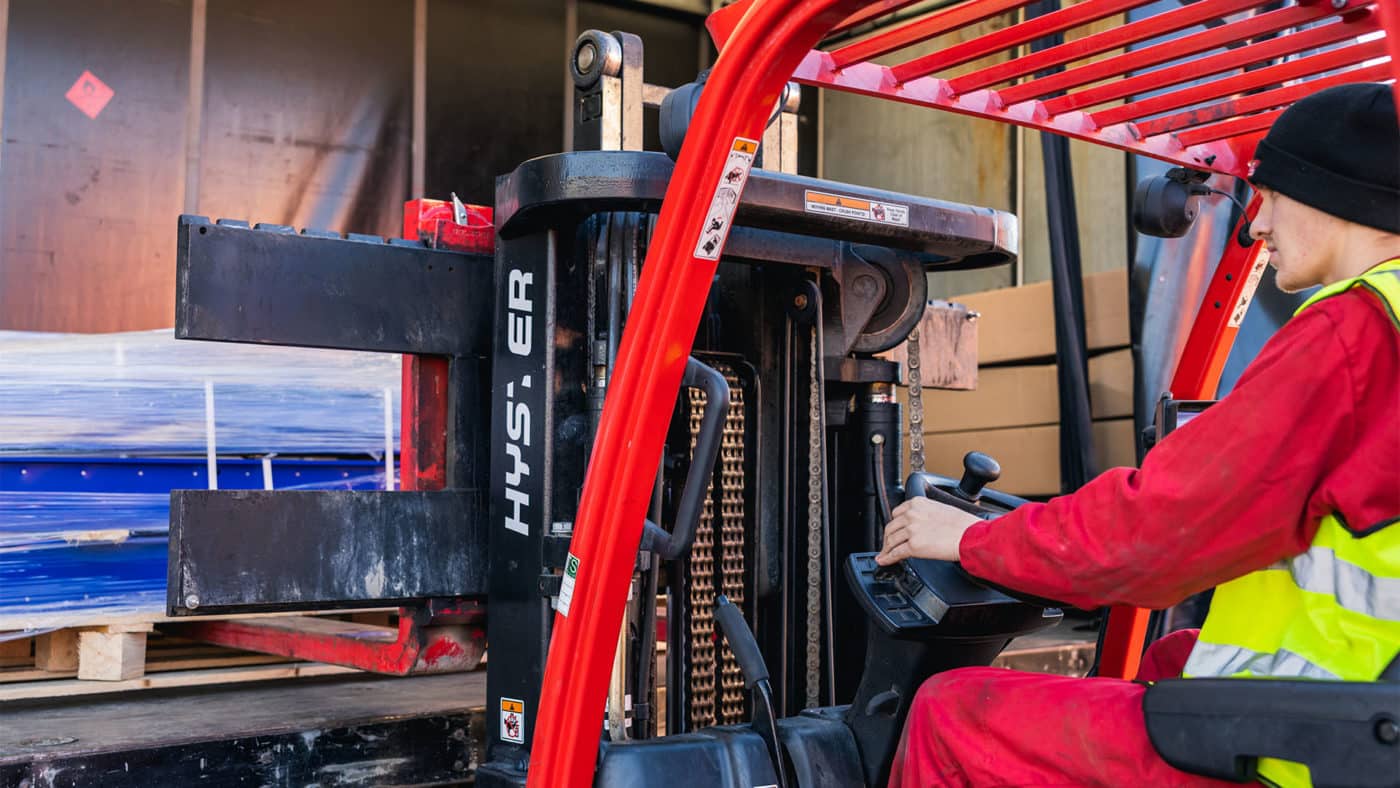
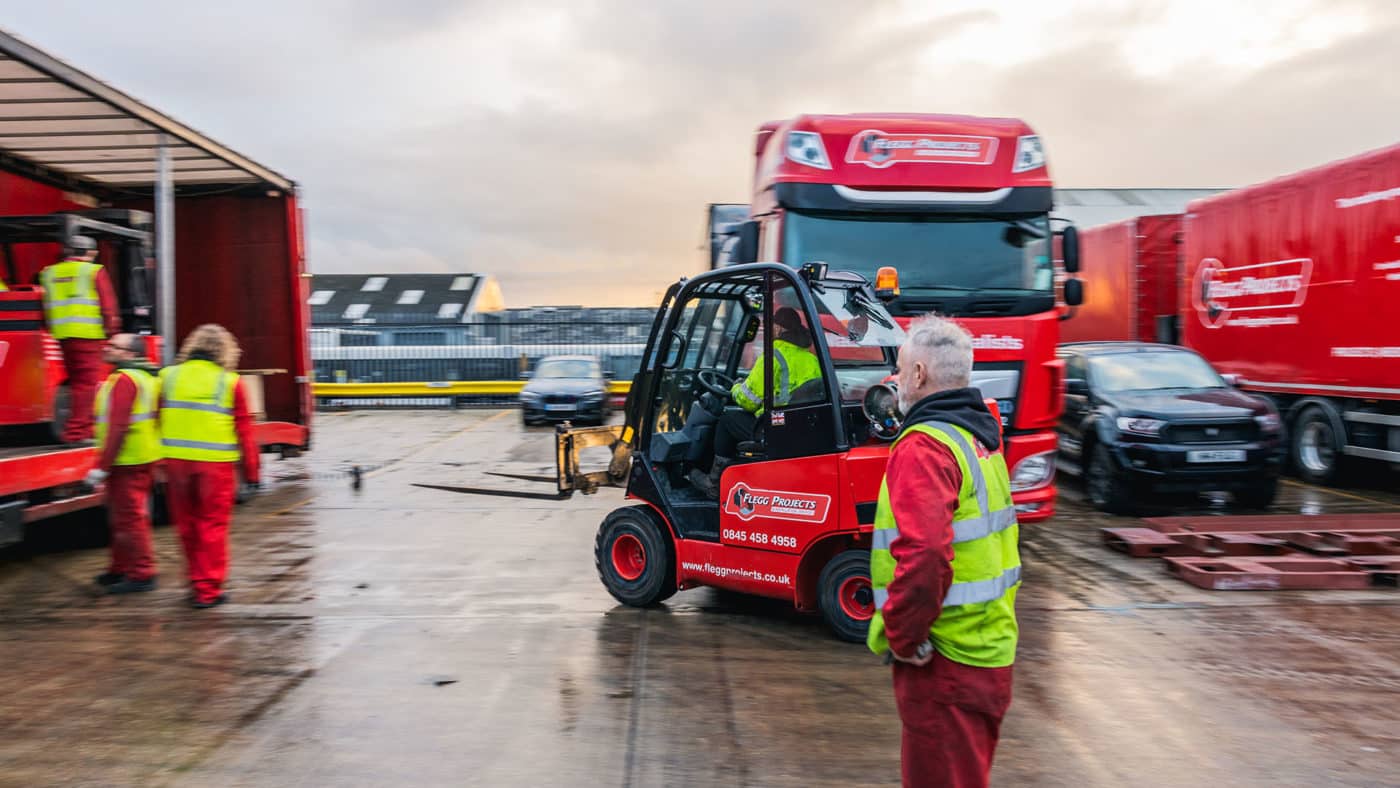
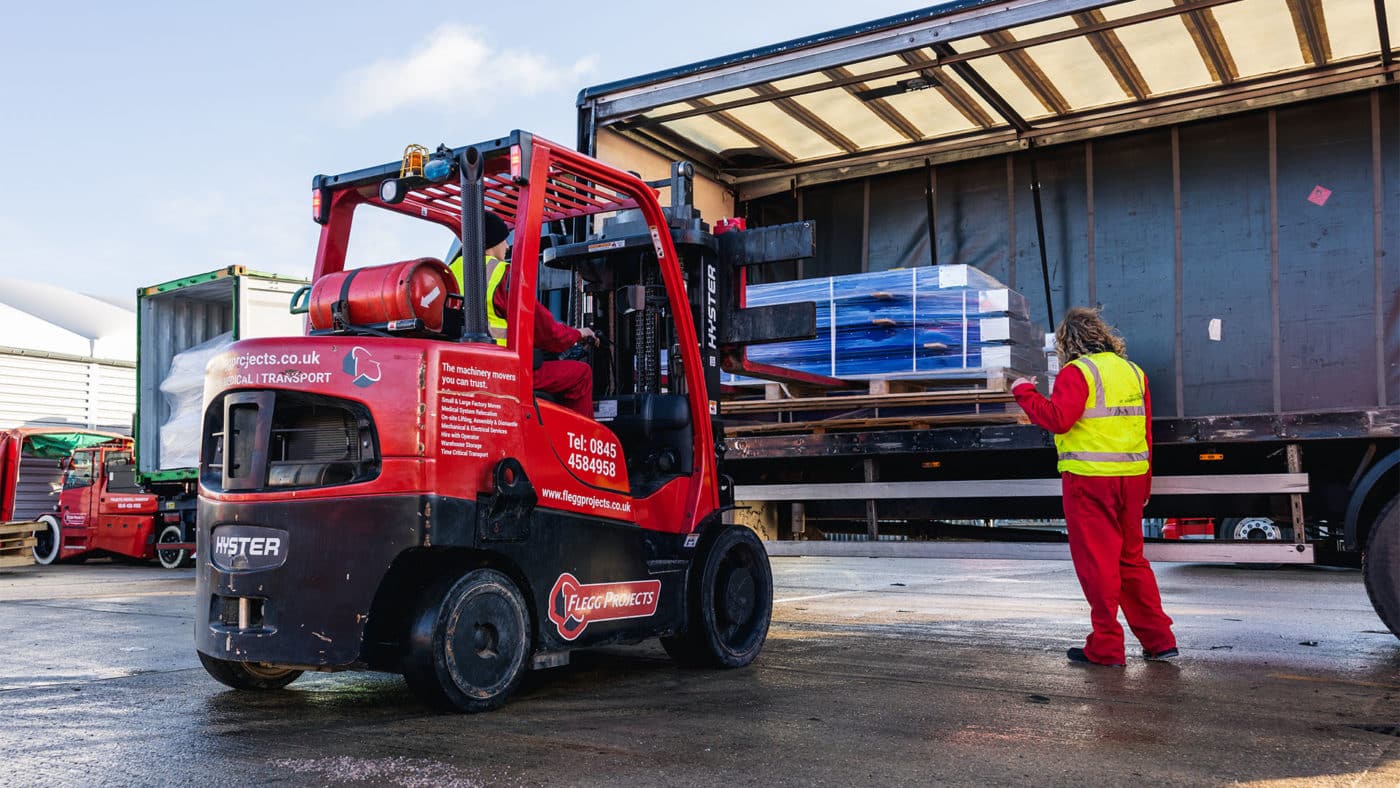
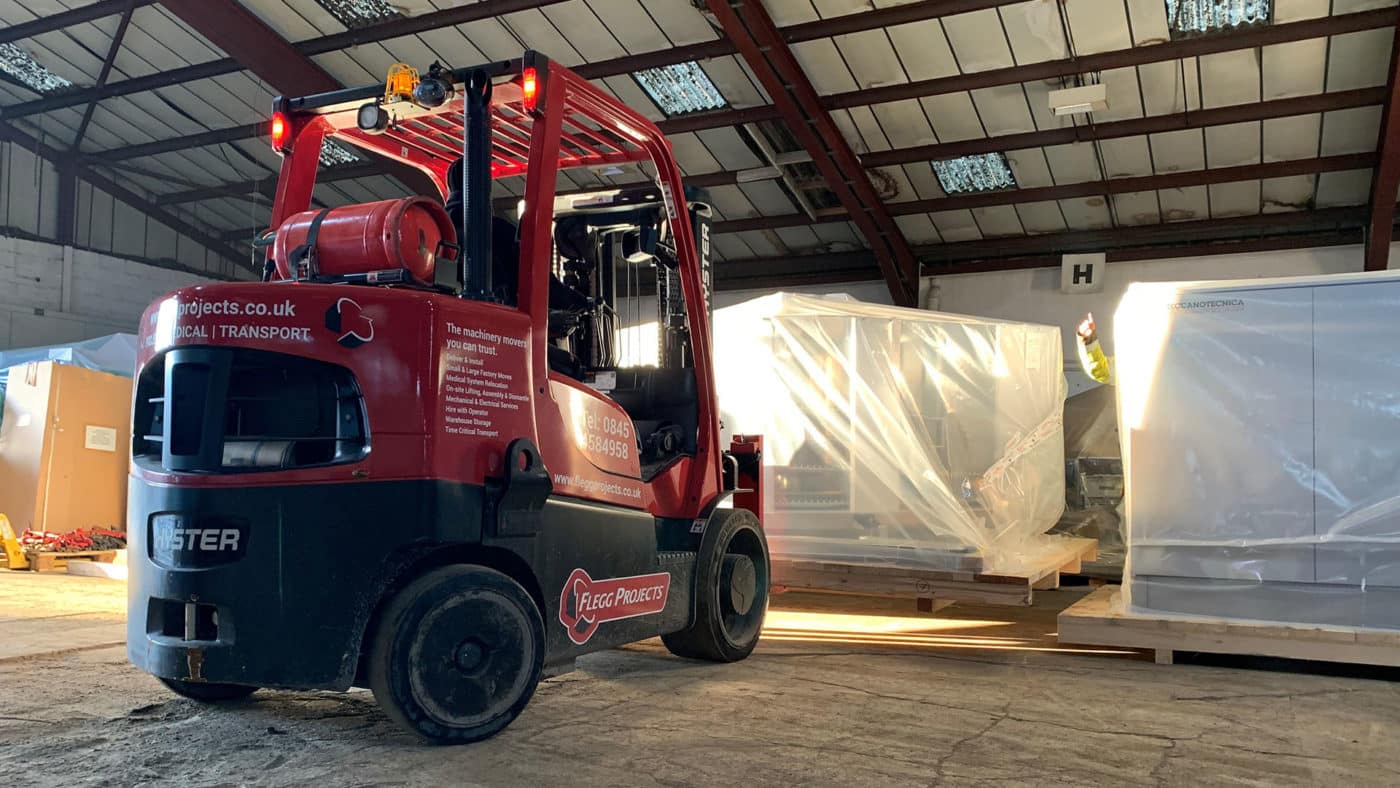
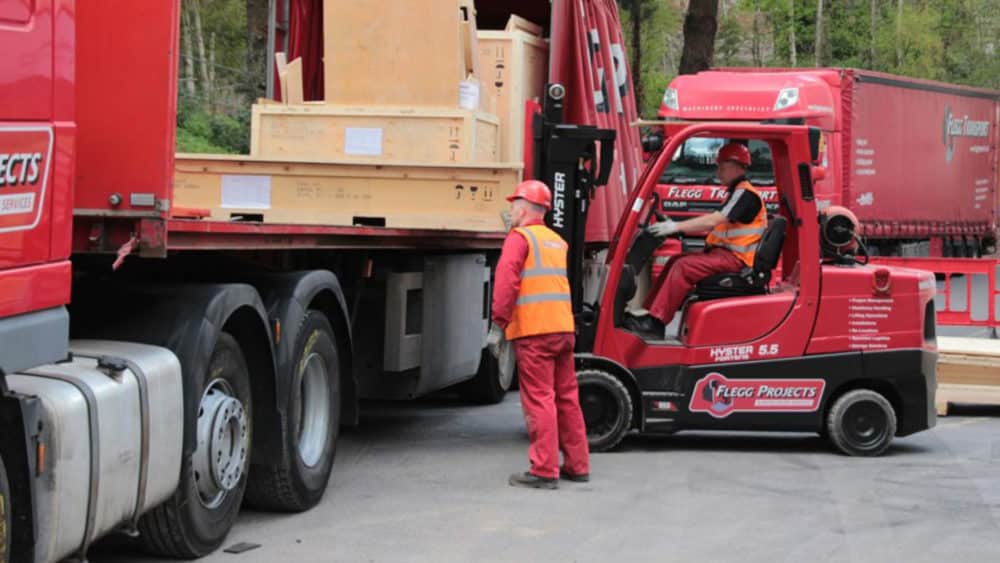
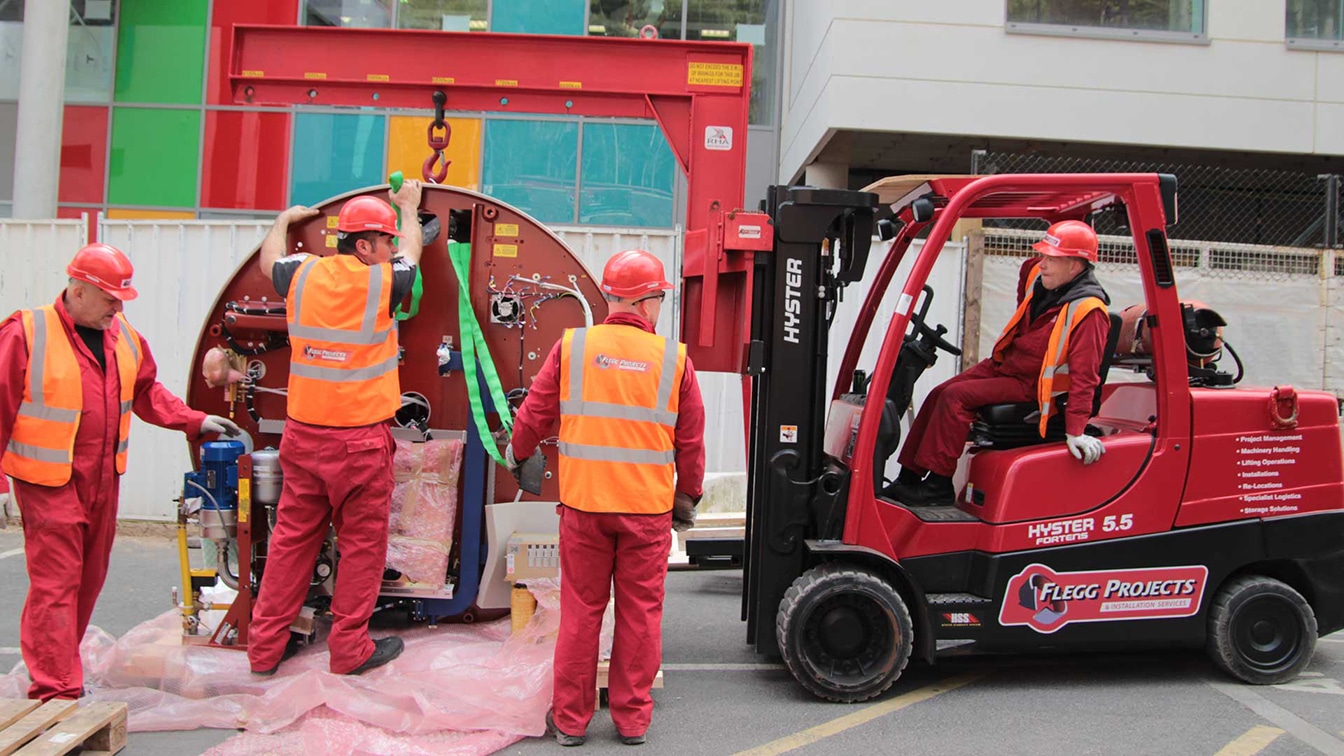
Forklift used for loading machinery

Why it matters

Alignment of a machine movers’ back-office staff is crucial for a host of reasons. It promotes clear communication and removes downtime and delays, thus promoting a smoother operation for increased productivity, efficiency, and profits. Moreover, alignment between back-office staff and customer-facing employees will indirectly boost the customer experience.

A considerable amount of waste in business comes due to poor alignment, and it’s not hard to see how this can be a major issue when dealing with your machinery and the tasks that they are responsible for

Why you need professional help

When choosing a professional machinery movers company for your immediate and ongoing equipment transportation needs, you can receive a wide range of benefits. Aside from supporting your back-office staff with a convenient solution, it will guarantee that the project is completed safely. Moreover, efficient operations will save time and money.

For the sake of productivity and the long-term efficiency of your equipment and machinery, partnering with a reliable machinery moving firm is essential.

Forklift loading lorry

Why choose Flegg Projects?

For nearly 50 years, Flegg Projects has specialised in delivering world-class and efficient services that businesses can rely on time and time again. Crucially, our approach is designed to provide the best results for your back-office staff. The improved alignment is subsequently guaranteed to keep the best needs of your company at heart too.

Furthermore, our team of experts can complete a wide range of jobs that includes lifting, handling, installations, relocations, project management and storage.

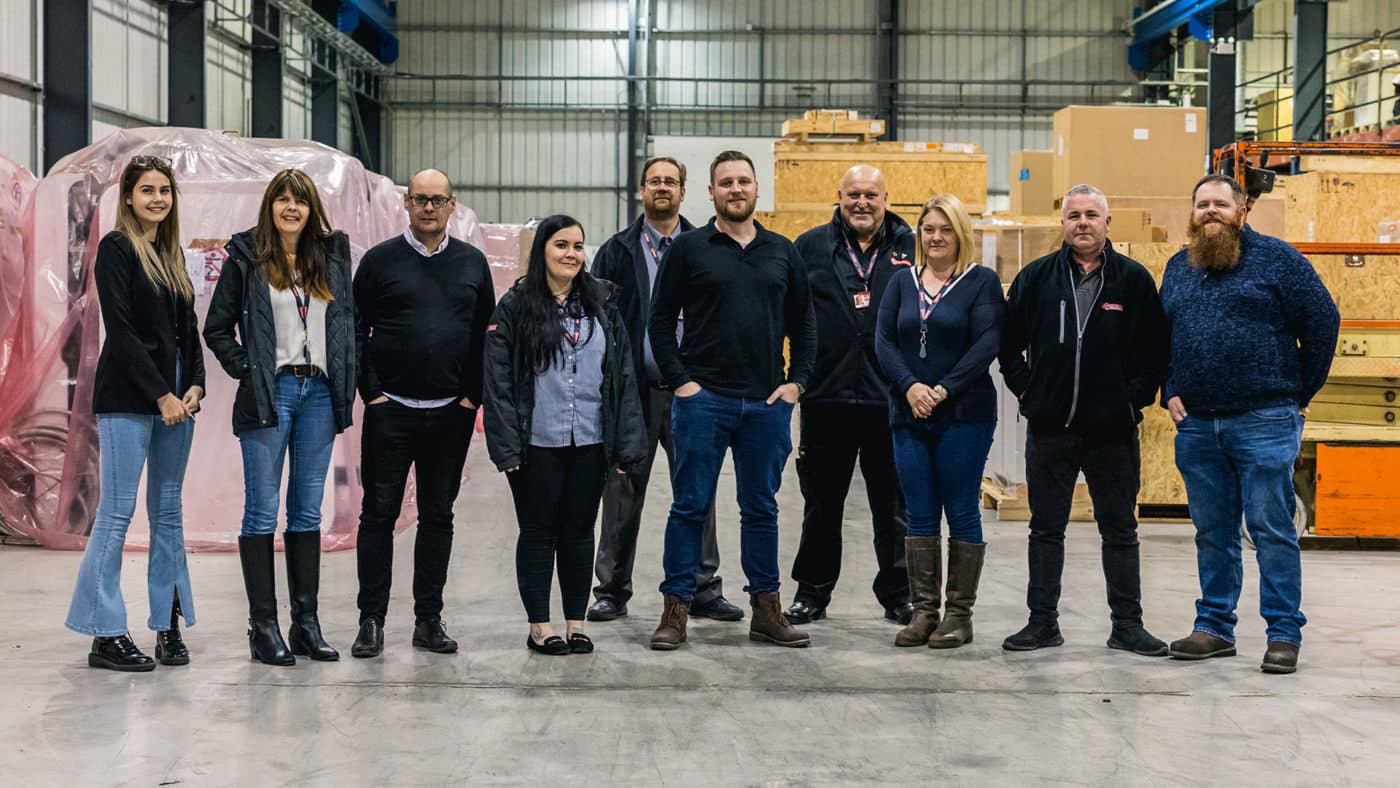
Flegg team in warehouse

Call Flegg Projects today!

Here at Flegg, we pride ourselves on working with clients to ensure all machinery moving tasks are completed with alignment, safety, and efficiency in mind. Our highly trained and experienced staff – who are all versed on how to manage, plan, and ensure that works are completed safely and efficiently – work with the best equipment to ensure a reliable and convenient service time and time. We take care of the machinery moving, allowing your team to focus on progressing the business.

If you need to partner with an expert in machinery moving services for any reason, take the first steps by calling us on 0845 458 4958 or requesting a callback today!

8 Types of Removal Equipment to Lift Heavy Machinery

Moving valuable and heavy machinery can cause significant disruption to any industrial business. This guide explains the equipment used for the task.

Do you need to move and lift heavy machinery in your business? If so, then we can help. At Flegg Projects, we work to individual client requirements and own a range of different types of lifting equipment. If we don’t have the right option for you, we’ll source it from one of our trusted, reliable partners.

We utilise everything from pallet trucks to large mobile cranes to ensure that the best service is achieved for every client. Here are some of the types of removal equipment we utilise.

Lorry Mounted Loader

Lorry Mounted Loader

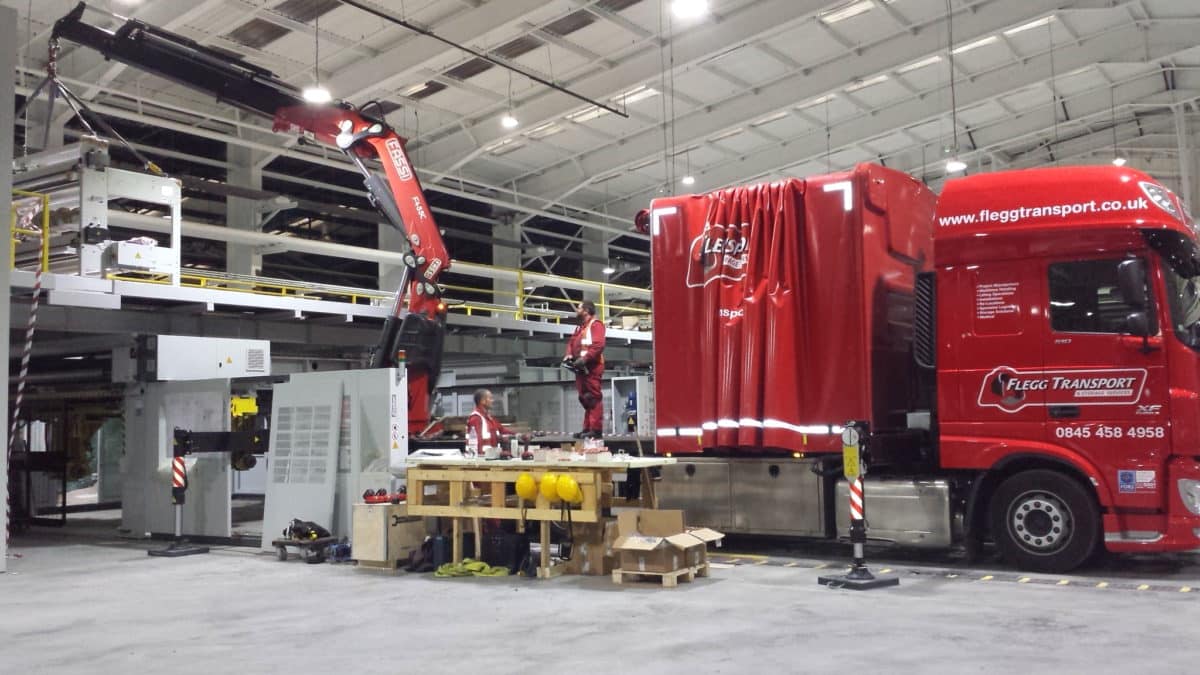
A lorry-mounted loader is a compact solution, perfect for tighter spaces. Due to this, it’s the perfect choice for moving heavy machinery inside a factory. Since the crane is mounted to the lorry, this often allows the driver to self-load and unload, reducing the need for additional resources and saving time. It also provides a faster setup time overall with a short amount of time needed to prepare for lifting. This is a cost-effective solution because they’re able to lift and transport all in one vehicle.

Forklift Truck

Forklift Truck

Forklift trucks are fantastic in tight areas and capable of pushing or pulling heavy loads. They are a great solution where there are no lifting points, however, the truck footprint does get larger with a greater lifting capacity. The load also needs to be properly centred otherwise the weight capacity for a forklift truck will be significantly reduced. There are also different types of forklift trucks that can be used depending on the project. For instance, a reach truck will deliver the maximum reach height and provide a high level of manoeuvrability. They tend to be used indoors while a hand pallet truck can be used to lift up to 3,500 Kg in weight.

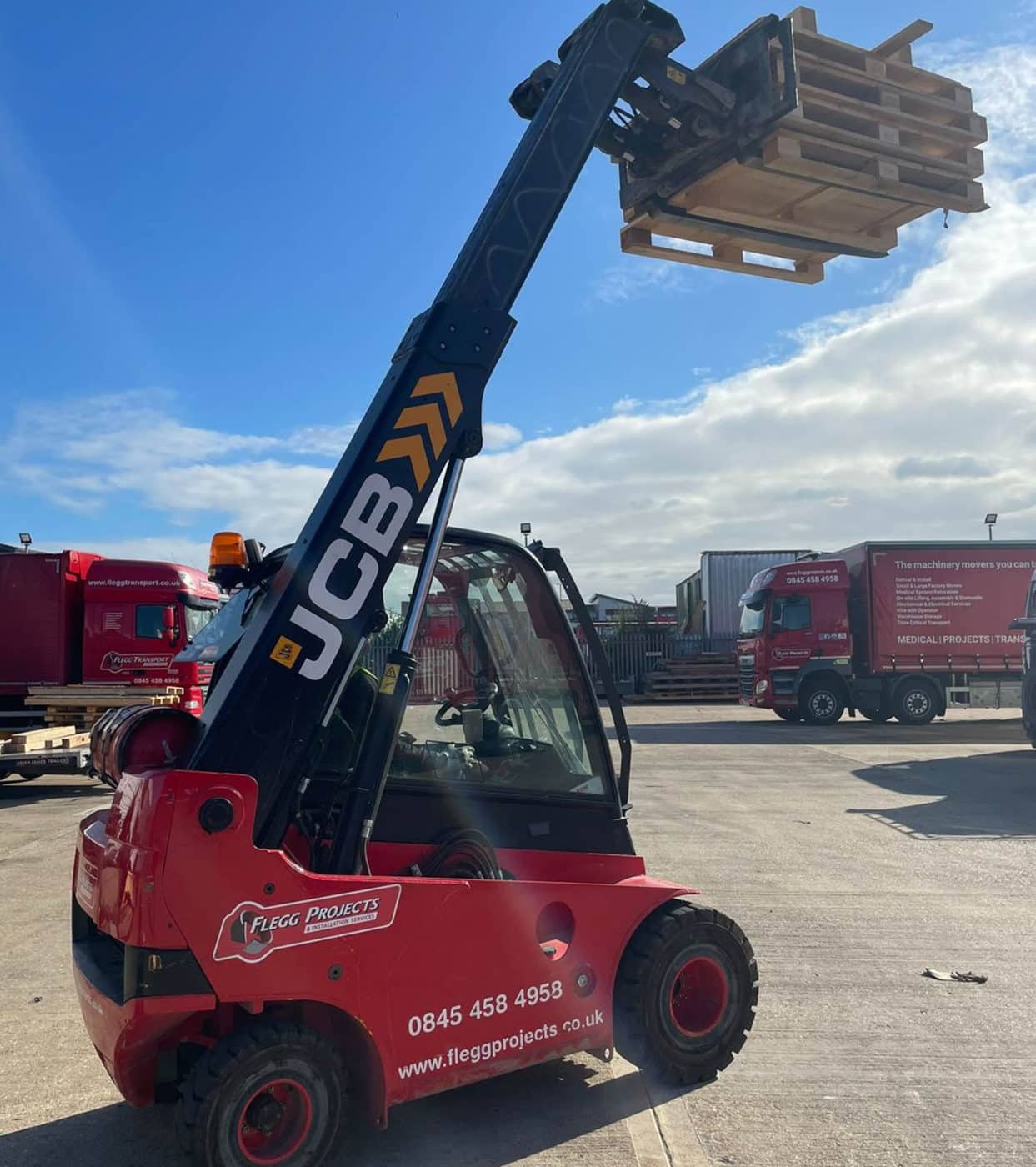
Tele-handler

Telehandler

A telehandler is perfect for sites with poor access and uneven ground conditions. The reason for this is that it does have various steering modes and can also be used on rough levels of terrain. You can also consider using a rotating turret telehandler for a greater level of versatility. The system also provides an extending boom which gives an increased level of height reach. A telehandler can work with a range of different attachments depending on the equipment that you are lifting.

8 Types of Removal Equipment_Protable Gantry Crane_2

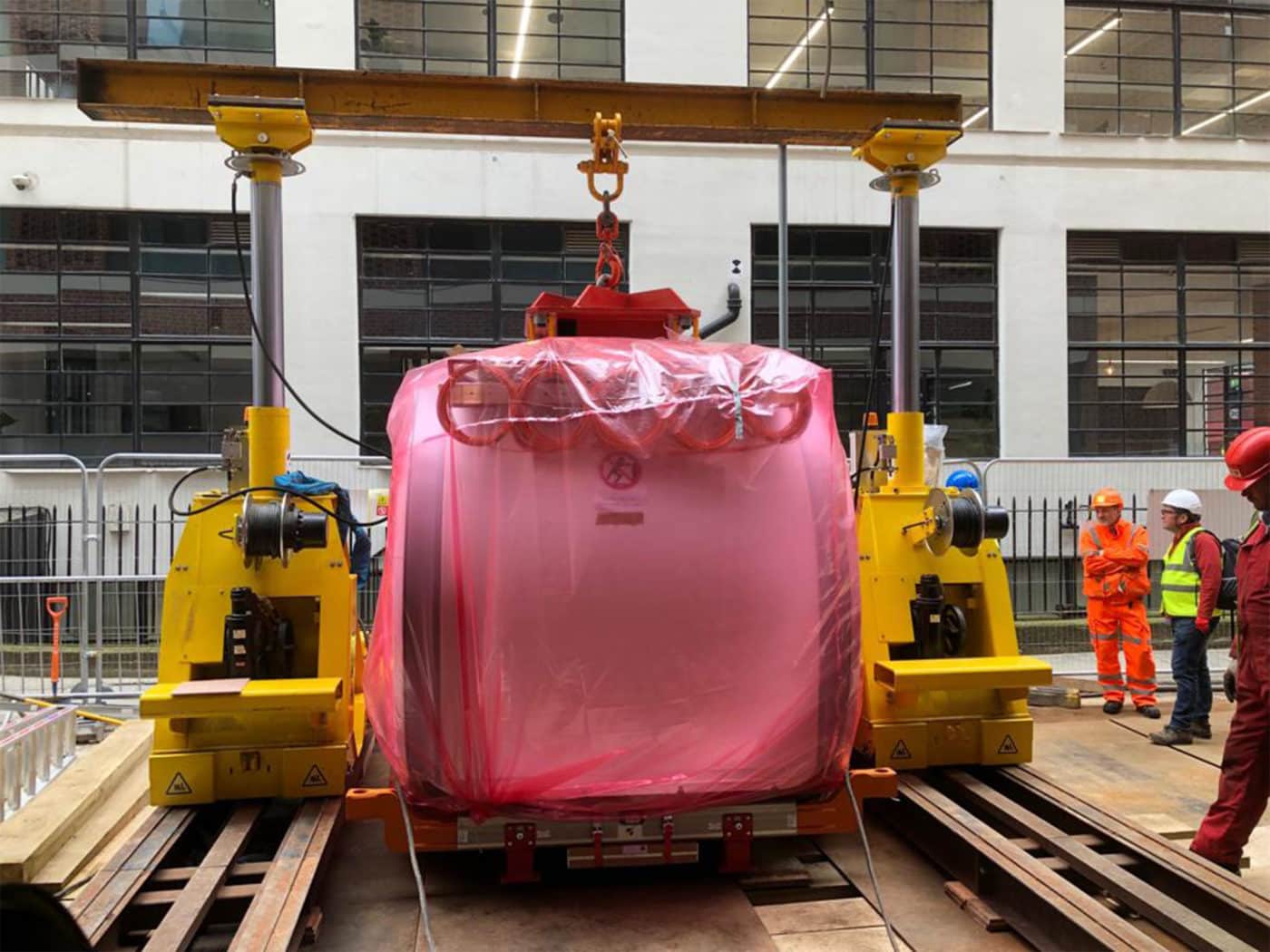
Portable Gantry Crane

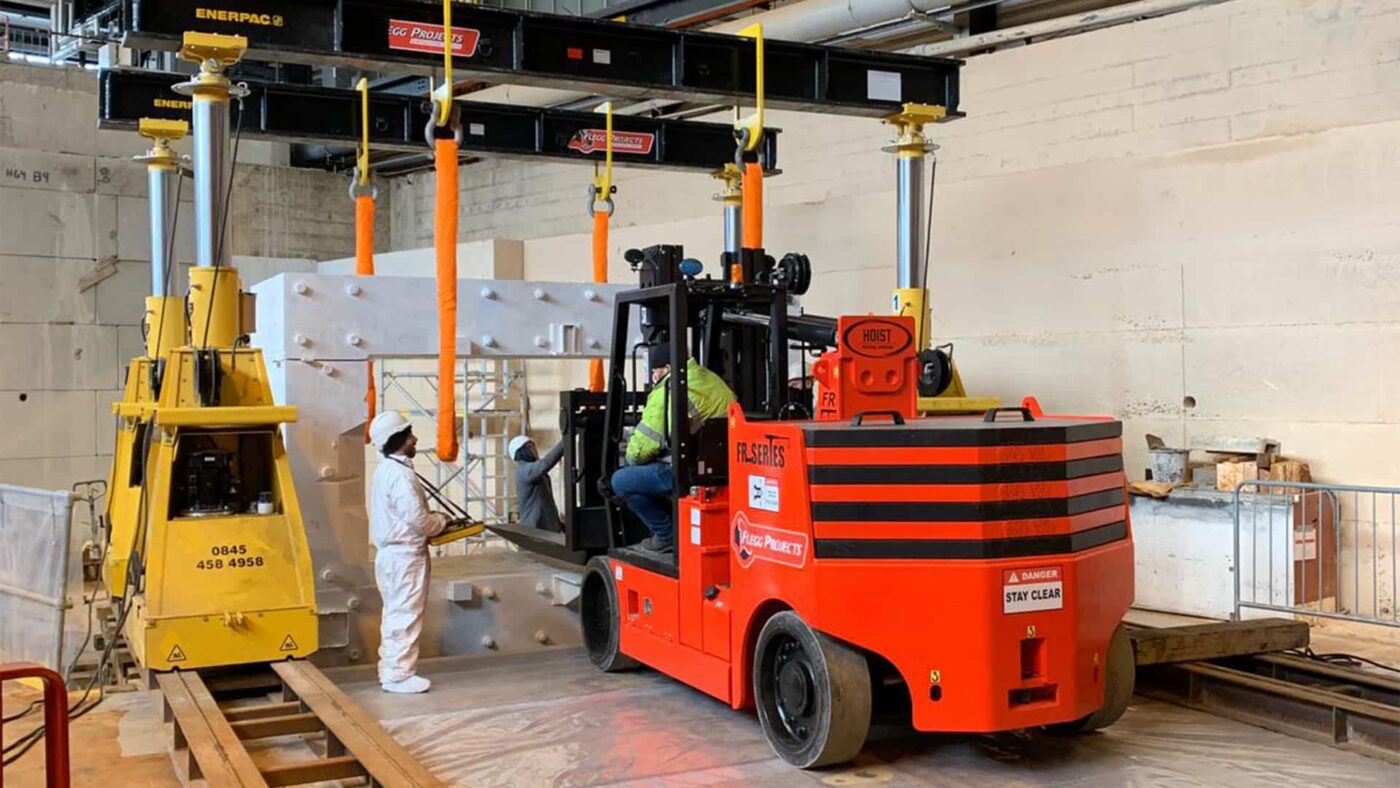
The gantry crane is similar to a door frame. Underneath the main beam there are supporting legs. These legs travel on a rail with wheels that are positioned on the ground. There are numerous benefits including a large range of operations. They are typically used in a port yard. The loading capacity can be anywhere from 1ton to 900ton depending on the design. They can also be used for large and more cumbersome pieces of equipment. However, the item being moved does need to have lifting points and there is always going to be limited levels of lateral movement.

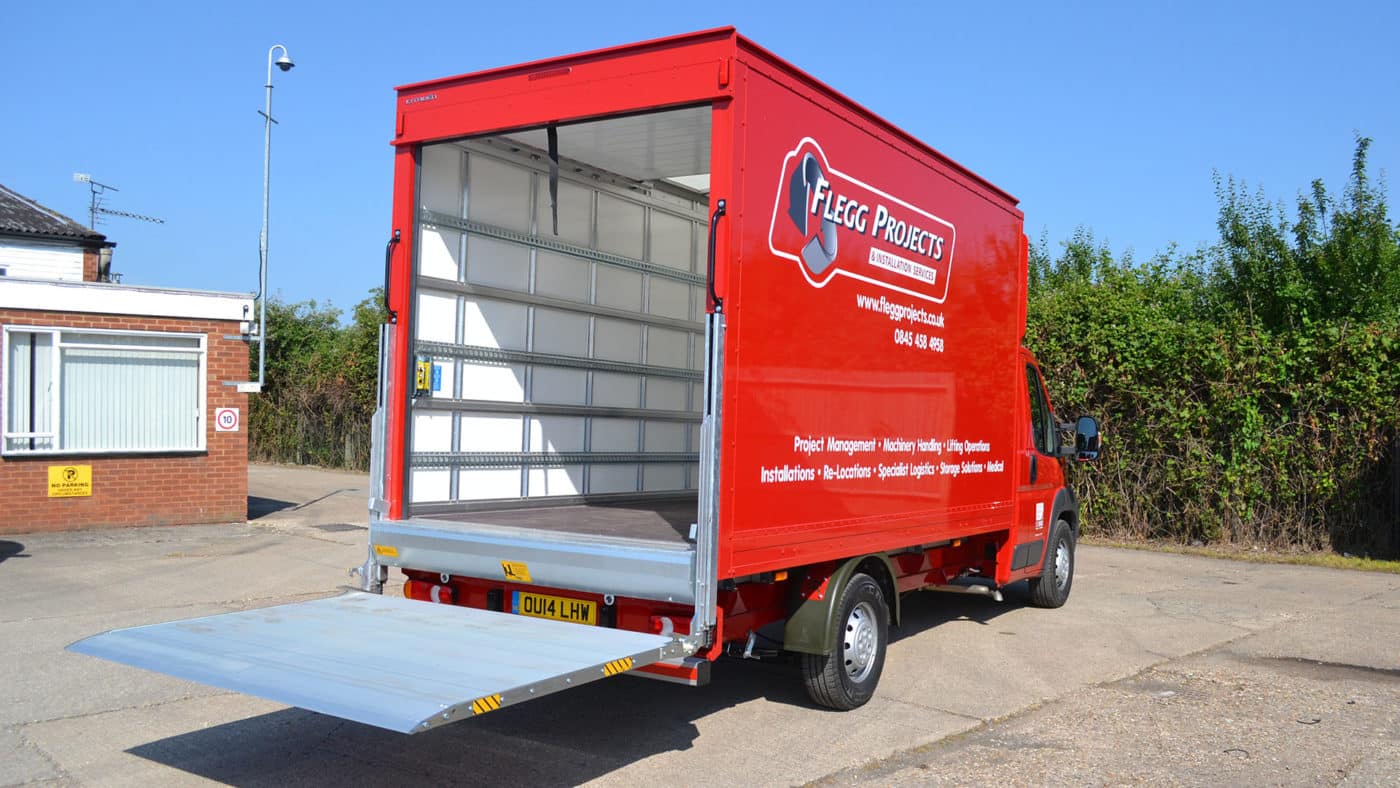
Tail Lift

Tail Lift

Tai-lifts are a common piece of equipment used by many logistics and haulage companies. They provide a cost effective and simple solution for offloading pallets, but a standard tail-lift can limit to relatively small/light freight.

Some specialist movers have bespoke tail-lifts fitted which can handle larger and heavier loads more than 1000kgs

JMG Cabin Cruiser

JMG cabin cruiser

The JMG cabin cruiser is a relatively new concept within the lifting industry. They provide excellent lifting capacities and it’s quite compact so can be used in tighter spaces. It’s a versatile solution since you can use forks, hooks, or winches to lift the load. You also won’t have to worry about it marking the floors if you are using it indoors and since it is electric, there are no fumes to deal with.

8 Types of Removal Equipment_Mobile crane_2

Mobile Crane

One of the key benefits of a mobile crane is that we can achieve a high lifting capacity working with a small radius. Using this equipment, it’s possible to achieve a boom length of up to 150 metres. Despite being smaller than other cranes, mobile cranes still provide a high level of strength, ensuring that they can be used for larger lifting tasks or where lift height or reach is critical.

Compact Crane

We can also use a compact crane on your project. As the name suggests, these will be perfect in tighter locations and are suitable for working indoors. There is also a smaller footprint with this device and since most are battery powered, you can avoid the issue of fumes when indoors. Compact cranes are also incredibly quick to set up and de-rig.

Are you interested in learning more about the removal service that we offer? If so, then please do not hesitate to contact us today. A friendly, expert member of our team at Flegg Projects will ensure that we deliver the ideal solution for you.Share to Twitter

What Is Export Standard Packing?

What is it? 

Effective export packaging enables your valuable freight to arrive at the destination intact and undamaged. Export packaging is also often referred to as transport packaging. Transport or export packaging is the outermost layer of packaging and is designed to protect your goods during transit.  

Who will use it? 

It is predominantly used by organisations that are shipping high value, sensitive or delicate machinery or expensive goods that must be kept in perfect condition whilst in transit.  

Why it is crucial to get it right  

There are many factors to consider when thinking about getting your valuable freight to its destination. Goods going to the wrong place or getting lost or damaged in transit can lead to costly replacements and delays.  

An export packer must assess the freight, transport method and routes to ensure that correct materials are selected and design suitable packages. Weight and physical sizes of the freight are a particular consideration – to ensure the packages can go on standard type vehicles or shipping containers.  

What are the different types of export standard packing? 

  • Boxes:
    Probably the most common type of packing. These will be usually either wooden or cardboard and take the form of solid sides/lid  
  • Crates:
    Similar to boxes but the sides and lid are made up of slatted sections – allowing you to see the equipment/goods inside. This is useful if your freight needs to be inspected whilst in transit.  
  • Pallets:
    Are a flat transport structure that helps support goods and keep them stable as they are being lifted by forklifts or cranes.  
  • Skids:
    Are a cost-effective alternative to pallets which are often used on larger pieces of freight. The basic design consists of long timber/steel planks which run the length of the item being shipped. These are held together with heavy duty screws/bolts and normally attached directly to the bottom of the item being shipped.  
  • Desiccant:
    Is used for long journeys for freight which is susceptible to damage from moisture. These take the form of bags filled with material (typically silica gel) that will absorb the moisture and reduced the risk of condensation and metals going rusty.  
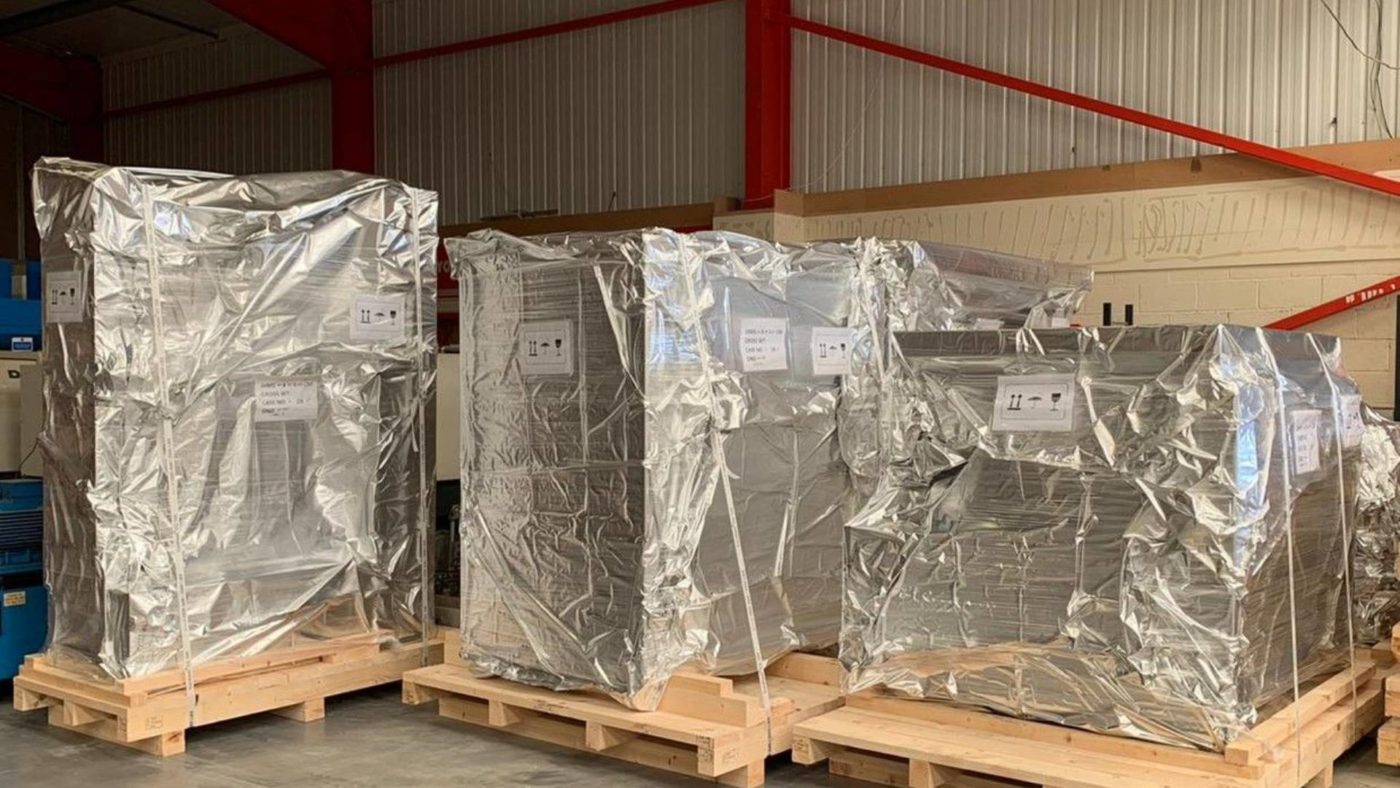
  • Foil packaging:
    Also used to prevent the risk of corrosion during shipping. These can be provided as a bespoke solution for many types of freight. Equipment foil-wrapped, with desiccant added before the final seal. Air is extracted, lowering the ambient moisture, and reducing the size of the bulk.
  • Drums:
    Can be made from a range of materials including stainless steel and polythene. Drums are used commonly for transporting liquids and powders.  
What Is Export Standard Packing - Page Image

What needs to be kept in mind when using timber for export standard packing?  

If you are considering the use of wood/timber materials, then you need to be aware of the ISPM15 regulations. The aim of this directive is to minimise the spread of disease and insects that can affect plans and ecosystems. This is achieved by requiring the timber to be debarked and then heat treated or fumigated with methyl bromide. Treated materials will be stamped or branded, with a mark of compliance. This mark of compliance is commonly known as the “wheat stamp”.  

Using The Best Trade Tools On The Market

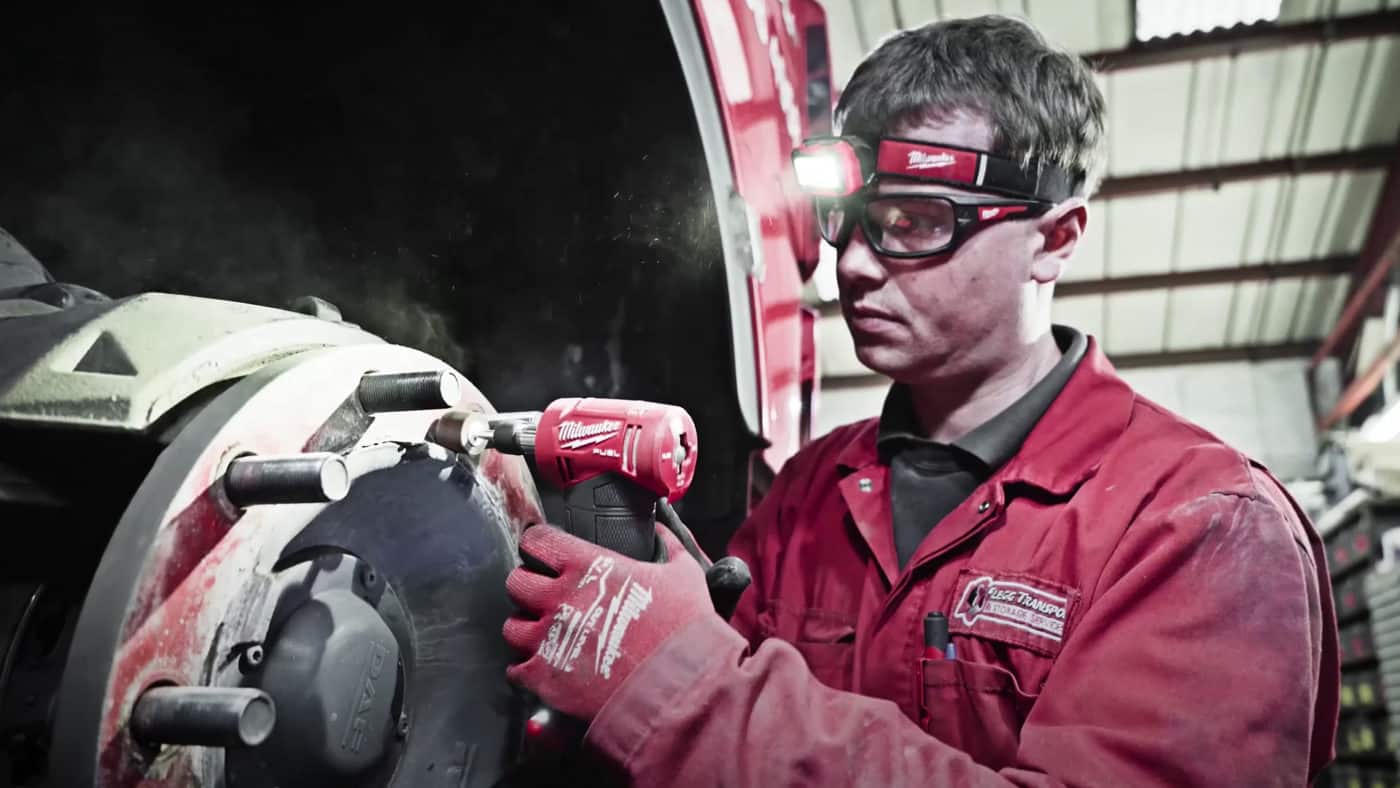
Flegg Projects are firm believers in having the right tools for the job – in all areas of the business.

The workshop is an essential part of the business – ensuring all our vehicles are maintained to the highest standards. One of the benefits of having an in-house workshop is that it gives the business flexibility to ensure that we get maximum utilisation from the fleet.

Thanks to Nick and James from the workshop and the team at Milwaukee for choosing Flegg Projects for this feature.

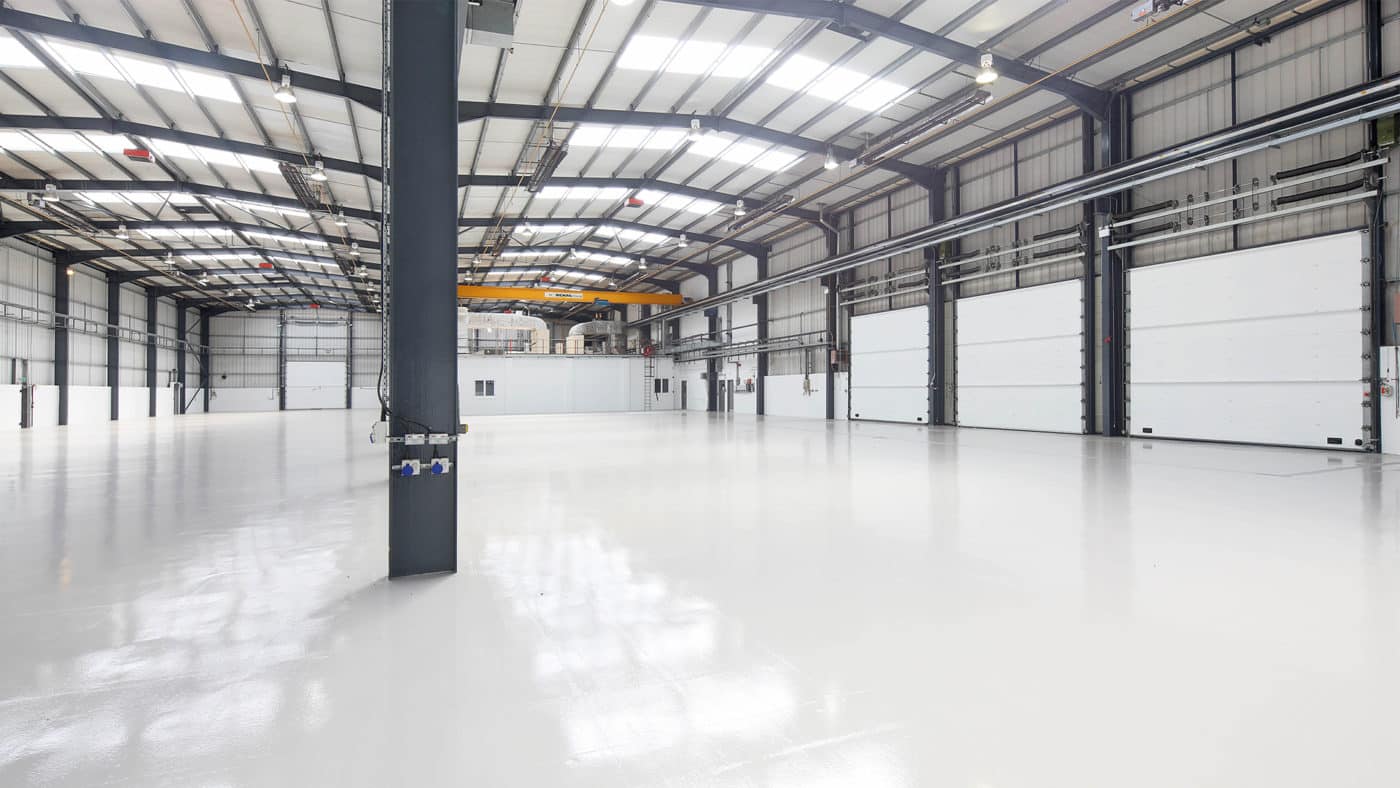
Moving to a modern warehouse facility

We are excited to announce that we are re-locating to new premises in Aylesbury, Buckinghamshire!

Following several years of considerable growth, the move finally realises a long-held desire to re-locate the business to premises that reflect Flegg’s profile, to offer our valued customers a better facility for their valuable freight to be stored and an improved environment for our talented teams to thrive.

The move will involve opening two premises that will feature:

  1. A modern secure warehouse with two 10-ton capacity overhead gantry cranes
  2. Separate premises for a workshop with additional internal storage space
  3. A large secure lorry park
  4. Facilities to cold-store up to 40 medical systems

The internal gantry cranes are a big bonus as they will reduce the aisle space required for forklift. Heavy lifting capacity (up to 100-tons) is still available from our existing in-house equipment.

In addition to our long-established storage, handling and export packing services, we are looking to develop a number of additional offerings to include bonded storage, cross-docking, and pre-staging facilities. We will also have access to an on-site partner who can provide customs clearance – allowing us to offer a true end-to-end service.

The new warehouse is currently having some light construction work completed which is expected to be completed by 1st March. We expect to complete the move into both new sites by 31st March and will keep customers updated on progress so deliveries can be diverted to the correct locations.

Before and during the move it will be business as usual for all at Flegg.

Machinery Moving Site Survey: Why You Should Have One

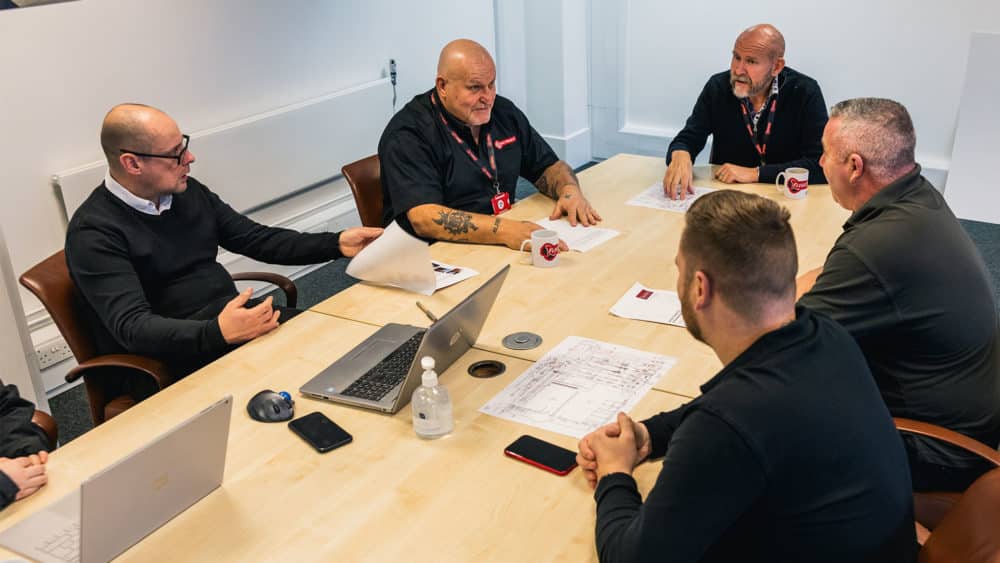
Moving heavy machinery or medical equipment is a logistical challenge that needs to be carefully managed. If you have any concerns about the works you should arrange for an experienced moving contractor to undertake a site survey before you do anything else. This will help to ensure that the site move is correctly assessed and any potential problems are identified.

Here at Flegg, our experienced surveying staff use their previous hands-on knowledge of moving machinery and medical equipment to assess the job and help you make sure that the move is as safe and efficient as it can possibly be. Flegg can also assist with transport and installation of equipment and even provide a full factory relocation or medical relocation service.

Here are some of the key benefits of conducting a survey before moving heavy machinery or medical equipment.

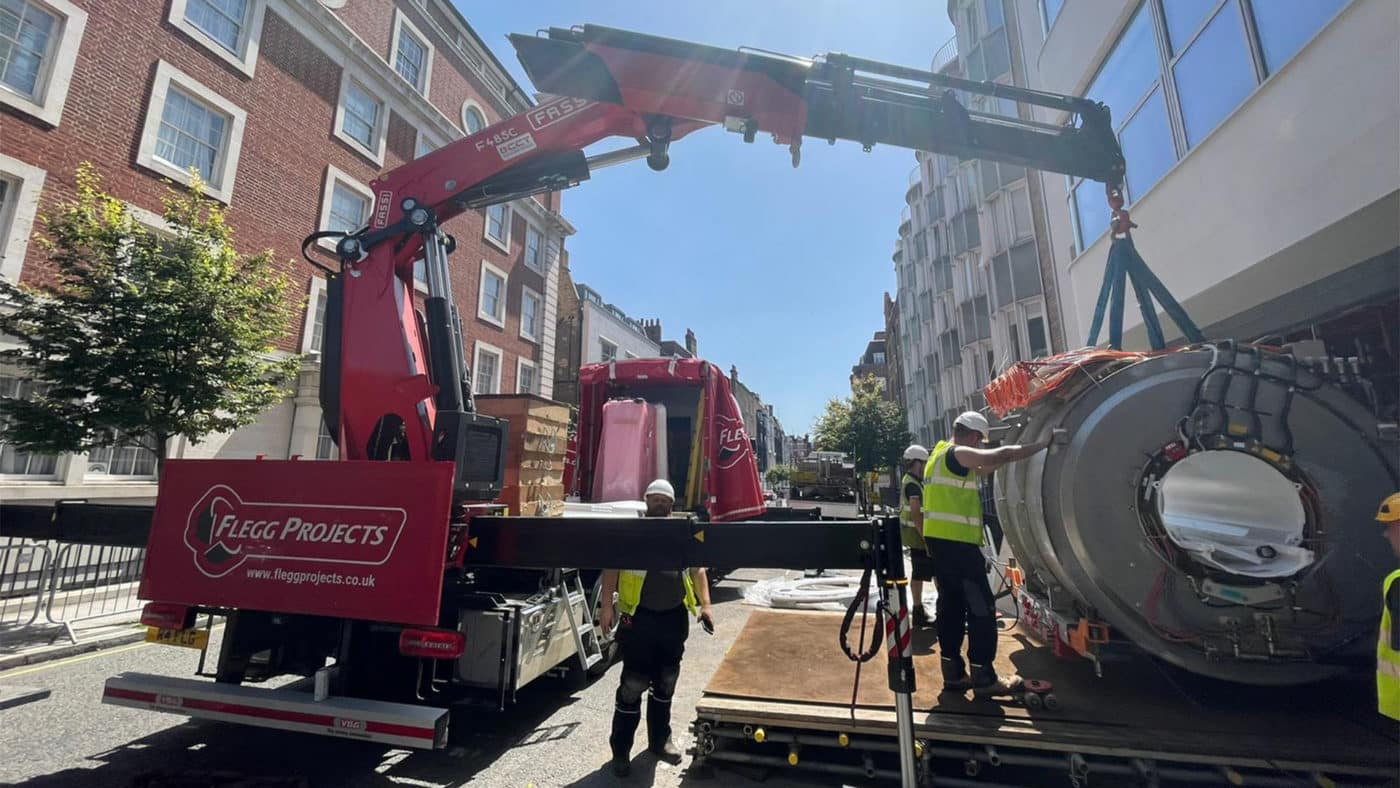
lifting with a crane on the back of a lorry

Planning

Before moving any sensitive equipment, it is vital to have a clear plan in place. During the survey, we will provide in-depth advice on all preparations that need to be made before machinery is moved. This prevents damage to fragile medical equipment and reduces safety issues associated with heavy duty machinery during the moving process. At this point, we can also provide a clear and realistic timetable for the move so you can plan accordingly. A wealth of information will be collected about all equipment, so we can formulate RAMS and give a thorough assessment of each piece of equipment before it is moved.

Safety

Managing risk is essential during a site move and a machinery moving site survey will allow us to do just that. We can identify any potential safety issues and provide you with solutions to mitigate that risk as much as possible. The survey also provides more information so staff with the right skills and experience are allocated to the works, which further improves safety.

Essential Equipment

Using the right equipment is paramount if you want to move items safely without damaging them. Using the wrong equipment could lead to severe delays, expensive damage or serious injury. During the survey, we will assess all machinery and ensure the right vehicles, lifting equipment, and tackle are all provided for the job.

Managing Costs

Managing costs is important for businesses when moving vital machinery or expensive medical equipment, whether they are moving to a location on the same site or opening a completely new site. In order to manage your finances properly, you need accurate, cost effective quotes for the move before you get started. A survey can provide exactly that, so you have a clear breakdown of the cost and we will work to find ways to save you money wherever we can.

If you are planning a factory move or transport sensitive medical equipment, it’s vital that you have a machinery moving site survey carried out beforehand. This will ensure that your move is properly planned, the safety issues are managed, and the costs are calculated accurately.

Here at Flegg, our expert team has a wealth of hands-on experience with moving heavy machinery and medical equipment so we can carry out your survey and assist with the move itself, making the whole process as easy as possible for you.

Find out more by calling 0845 458 4958 or emailing info@fleggprojects.co.uk. Alternatively, you can reach us on our contact page and we will get back to you soon.

Tips on how to move heavy machinery

There are plenty of different situations that may require heavy machinery to be moved. No matter what business sector you operate in, you may have large machinery that is critical to your daily operations. If you need to move heavy machinery, it is imperative that it is done in a safe and effective manner. But how can you make sure that this is the case? Read on to discover our tips on moving heavy machinery.

Always plan ahead

There is only one place to begin, and this is with planning. You can’t simply dive right in an attempt to move the machinery. You need to have a detailed yet clear plan in place for the moving process. A written proposal is a must. The most critical thing here is to make sure that the name and the duties of every person involved in the moving process are identified. Moving large machinery is a multi-step process, so each part of the process needs to be outlined and everyone involved needs to have a clear and full understanding of their role.

Consider-using-the-services-of-professionals

We would always recommend that you use the services of professionals if you need heavy machinery to be moved. Serious injuries can happen when people try to move heavy machinery without the required experience or training. As a business owner, you could find yourself in a whole world of trouble if you have allowed people to move equipment without the right tools, training, or experience. It is simply not worth the risk.

By hiring a professional team, you know that they have handled many moves of this nature before. They will know the best techniques to use and they will have all of the equipment that is needed as well. This can give you complete peace of mind when it comes to the move. Plus, they will have insurance in place and all of the necessary protection. This is certainly the case when you choose a reputable and experienced provider, such as Flegg. We will ensure that your move is handled in the most efficient and safest manner for your convenience and assurance.

Consult with the person who will be operating the machine

You need to make sure that the machine is going to be effective in its new home. Make sure you measure the machine not only in terms of its actual dimensions but with regards to how much space is going to be needed for the machine to operate successfully. People will need to move around the machine, after all, and this needs to be accounted for to make sure that the move is a success. There is no point in fitting a machine nicely into the corner if there is no space for the person who is going to be operating it. The best thing to do here, therefore, is to speak with the machine operator. After all, he or she knows better than anyone what sort of space they require to be able to carry out the task effectively. Also, make reference to ensuring there is space around the machine to carry out routine maintenance or repairs in event of a breakdown.

Be sure to clear the way when moving heavy machinery and equipment

Last but not least, you need to get rid of any obstacles prior to the move. This may sound like an obvious piece of advice, but you would be shocked by how many people attempt to move equipment without clearing the pathway. You need to ensure your workflow is reorganised and that you have a clear path between both locations before you start attempting to move the heavy equipment. The people moving the equipment must be totally focused on that; not attempting to dodge any hurdles or obstacles along the way – that would be a recipe for disaster!